
How schoolteacher turned a hillside in Moulvibazar into a fruit paradise
How a Schoolteacher Transformed a Hillside in Moulvibazar into a Fruit Paradise How schoolteacher turned a hillside in Moulvibazar - In the quiet village of

How a Schoolteacher Transformed a Hillside in Moulvibazar into a Fruit Paradise
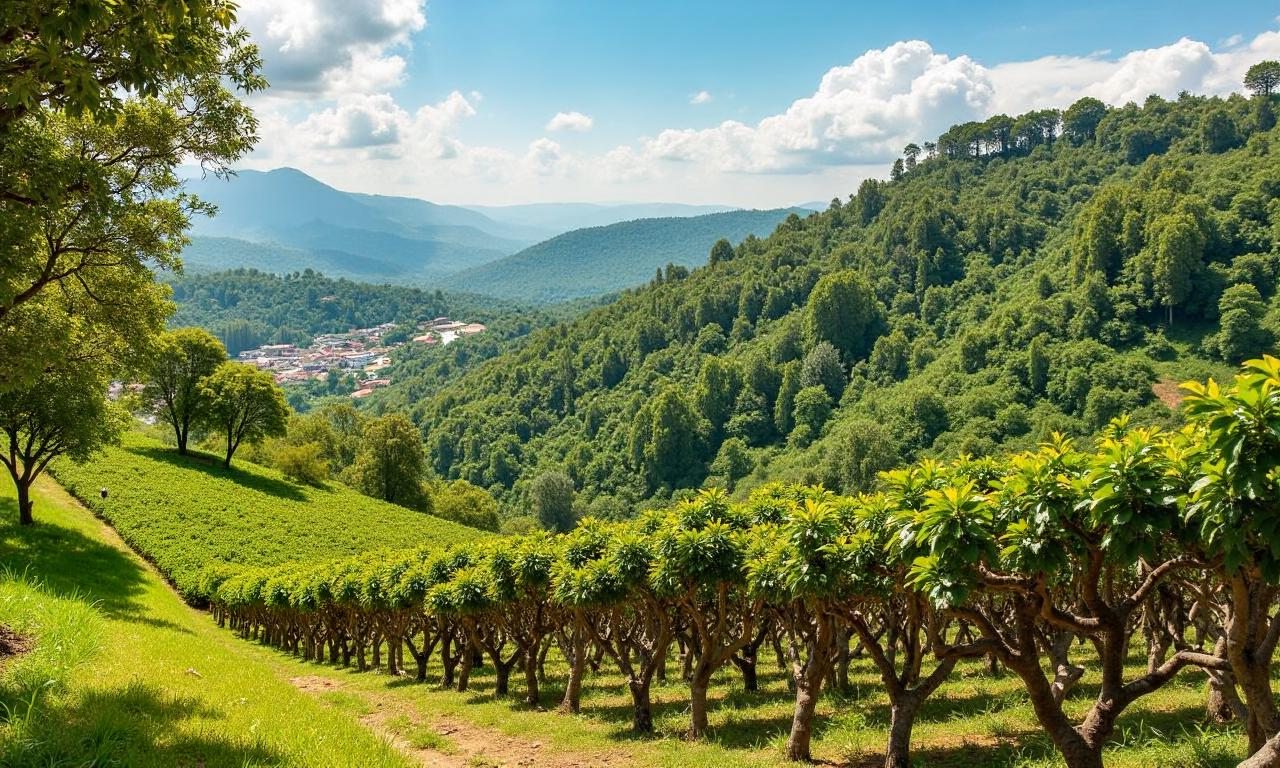
Thebangladaily.com – In the quiet village of Sariya, nestled within Barlekha upazila in Moulvibazar, a local schoolteacher has created a remarkable collection of over 100 fruit species. This unique garden, spanning two acres, serves as a living archive of both native and international varieties, showcasing a blend of domestic and exotic fruits.
A Journey of Experimentation
Rezaul Karim Khandaker began his venture in 2017 with a small group of mango saplings. After witnessing their successful growth, he expanded his efforts, introducing grapes and citrus plants. Over time, he ventured further by importing rare and foreign fruit types, investing approximately Tk 2.5 lakh personally to sustain the project.
Today, the garden is a testament to his dedication, featuring a diverse array of crops. Among the highlights are around 50 mango varieties, including Alphonso, American Kent, and Nam Dokmai Moon. Orange and malta trees, such as Washington Navel and Sylhet Orange, also thrive there. Additional fruits like pomegranate, persimmon, and rambutan are cultivated alongside kitchen-garden staples such as black tomato and red radish.
Unique Varieties and Careful Documentation
Two cultivars have stood out: Honey Cupboard and Chupachopa, both imported from Indonesia. These are still rare in Bangladesh, with Honey Cupboard resembling lychee and developing a jelly-like texture when ripe. Chupachopa, on the other hand, is celebrated for its intense sweetness. Rezaul meticulously labels each plant, ensuring every species is documented for future reference.
“It requires a lot of care,” he said. “I am experimentally cultivating foreign fruits in Bangladeshi soil. If the yield is good, I will consider commercial cultivation later.”
Barlekha Upazila’s Agriculture Officer, Md Monowar Hossain, praised the initiative. “He collects different varieties of foreign trees and takes care of them very well,” he remarked. “Some mango varieties have performed strongly, others less so—but he has sourced seedlings from across Bangladesh and several foreign countries.”
Though the garden has attracted frequent visitors, Rezaul emphasizes its personal significance. For him, it remains a source of joy, driven by a lifelong passion for plants. “This has always been a part of me,” he added, reflecting on his journey from teacher to horticultural enthusiast.