Govt plans to recruit 100,000 health workers: PM
Bangladesh is preparing a phased recruitment programme for 100,000 health workers as the government seeks to reduce persistent staffing pressures across

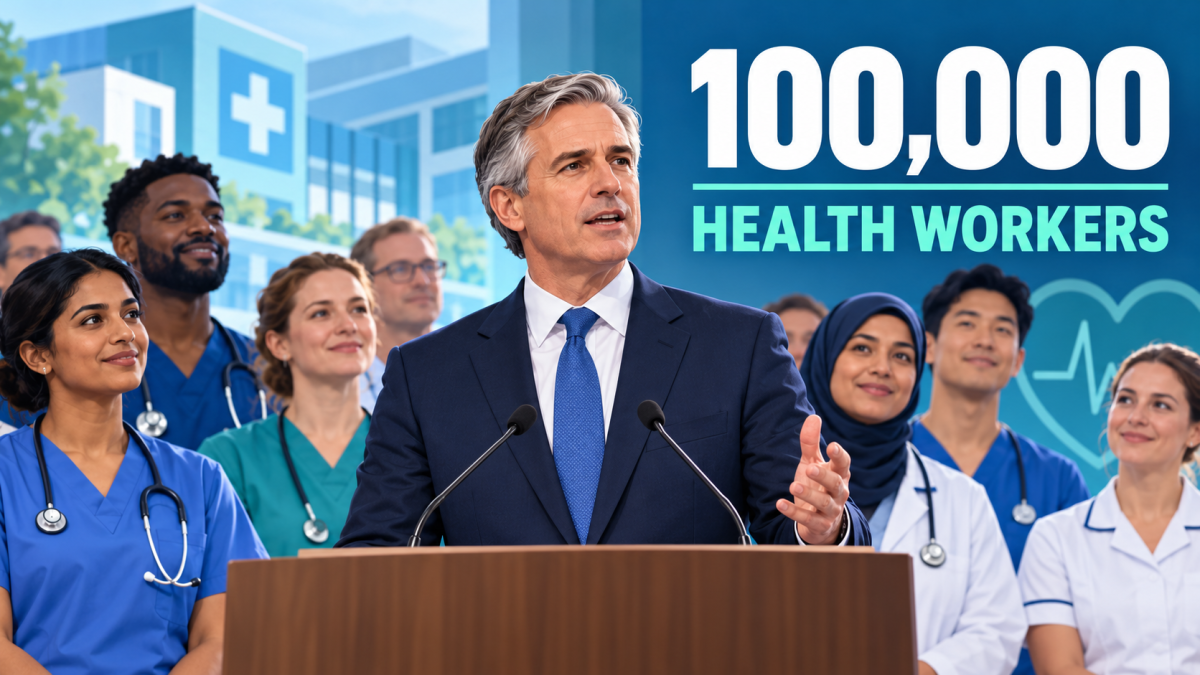
Table of Contents
Government Sets Out Plan to Expand Frontline Health Workforce
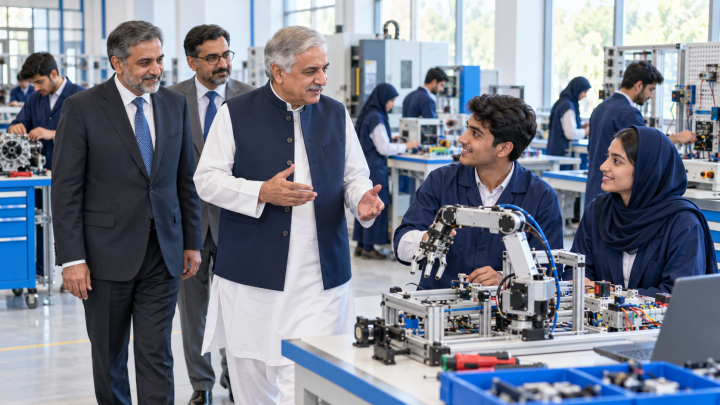
Thebangladaily.com – Bangladesh is preparing a phased recruitment programme for 100,000 health workers as the government seeks to reduce persistent staffing pressures across public healthcare services. Prime Minister Tarique Rahman outlined the plan on Wednesday, October 28, during a meeting with expatriate Bangladeshis in Japan.
The initiative forms part of the government’s election commitments and is intended to reinforce healthcare delivery from community level upward. A large majority of the new recruits—estimated at about 80 per cent—are expected to be women. Their work is set to focus on basic health support, guidance for patients and referrals to appropriate facilities when more advanced treatment is needed.
Focus on Care at the Community Level
The proposed workforce expansion places particular emphasis on grassroots health services. For many families, health assistants and family welfare assistants are among the first public-service workers they encounter when seeking advice on routine care, maternal health, child wellbeing or access to a larger medical facility.
Strengthening this level of service could help ensure that people receive clearer information about where to seek treatment and when a condition requires referral. It could also lessen pressure on hospitals and specialist facilities by improving the link between communities and the wider healthcare system.
The government intends to begin the recruitment drive with 45,700 workers during the 2026-27 fiscal year. Alongside those appointments, it plans to recruit 5,000 doctors through a special Bangladesh Civil Service examination.
The separate recruitment of doctors and field-level workers reflects the different needs within public healthcare. Doctors are essential for diagnosis, treatment and clinical leadership, while frontline staff provide a vital bridge between households, local services and referral centres. Filling both types of positions may help public facilities operate with greater continuity.
Vacancies Remain a Major Challenge
Existing vacancies illustrate the scale of the manpower shortfall. Of 65,230 approved field-level health posts nationwide, 18,947 are currently vacant. The unfilled positions include 6,953 health assistant posts and 8,293 family welfare assistant posts.
These figures show that the challenge is not simply the creation of new roles. A substantial number of already approved jobs also need to be filled if the health system is to provide services as planned. Recruitment, posting and retention will all be important in turning approved positions into functioning support for patients.
Staff shortages have disrupted regular healthcare services in district and upazila areas. At these levels, limited personnel can affect the availability of routine support and place heavier demands on the workers who remain in post. When frontline teams are stretched, patients may face longer waits or may need to travel farther for services that should be available closer to home.
The proposed recruitment programme therefore has implications beyond employment. Its central purpose is to improve the everyday capacity of public health services, particularly where staffing gaps have weakened routine operations. The effectiveness of the plan will depend on whether new personnel reach the locations where shortages are most severe and receive the support needed to carry out their responsibilities.
Supply System Also Faces Staffing Gap
Workforce shortages are also present within the Central Medical Stores Depot in Dhaka. Of its 230 positions, 160 remain unfilled. The depot is an important part of the broader public-health structure because healthcare services depend not only on staff who meet patients directly, but also on personnel who help sustain the systems behind medical care.
Vacancies in support institutions can add strain to service delivery even when hospitals and clinics have medical workers available. Health services require coordinated staffing across multiple functions, including the frontline workforce, medical professionals and operational bodies that support the overall system.
The government’s plan signals recognition that public healthcare cannot rely solely on a limited number of doctors or central facilities. Community-based workers can help patients navigate available services, offer health information and direct cases to facilities equipped to provide further care.
What the Recruitment Plan Could Mean
If implemented in stages as announced, the programme could bring a significant increase in the number of people working within public health services. The planned 45,700 appointments in the 2026-27 fiscal year would represent an early and substantial part of the broader 100,000-worker target.
The anticipated participation of women is also notable. With roughly four out of every five new recruits expected to be women, the programme could expand women’s role in delivering local health support while building a workforce designed to engage directly with households and communities.
For patients, the practical measure of success will be whether routine services become easier to access, whether referrals are more effective and whether district and upazila facilities can operate with fewer interruptions caused by vacant posts. For the public health system, the programme will need to address both newly planned recruitment and the large number of existing approved vacancies.
The announcement in Japan places the recruitment pledge within the government’s wider effort to present its priorities to Bangladeshis living abroad. At home, attention will centre on the pace of recruitment, the deployment of new workers and the impact on services that communities rely on every day.
Related Reading
Frequently Asked Questions
What is Govt plans to recruit 100 000 health?
Govt plans to recruit 100 000 health is the main topic of this guide. The article explains the context, practical details, and next steps readers should understand.
Why does Govt plans to recruit 100 000 health matter?
Govt plans to recruit 100 000 health matters because readers are looking for a useful answer, not just a short summary. Good content should match search intent and help them decide what to do next.