
Poultry sector gets new policy after 18 years
Poultry Sector Gets New Policy: A Game Changer for Bangladesh Poultry sector gets new policy after 18 - After a span of 18 years, the poultry sector in

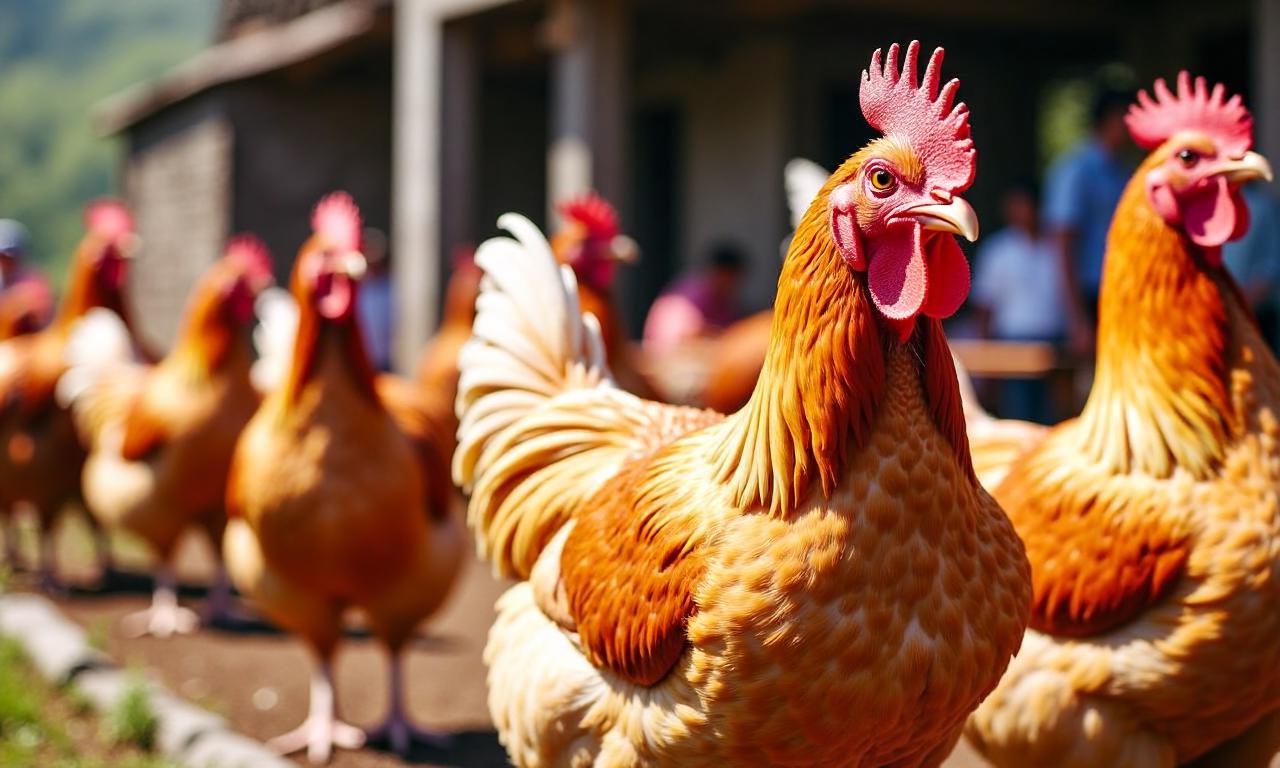
Poultry Sector Gets New Policy: A Game Changer for Bangladesh
Thebangladaily.com – After a span of 18 years, the poultry sector in Bangladesh has received a significant update with the introduction of the National Poultry Development Policy 2026. Announced on June 14, this policy marks a crucial milestone in addressing long-standing issues that have hindered the growth of the country’s poultry industry. The Ministry of Fisheries and Livestock spearheaded the initiative, which aims to modernize production practices, enhance export competitiveness, and implement sustainable solutions to reduce environmental impact. For the first time in a decade, the sector is poised to benefit from a comprehensive framework that aligns with global standards and the evolving demands of the market.
Transforming Waste Management for Sustainable Growth
The new policy places a strong emphasis on transforming waste management within the poultry sector. Previously, many farms relied on traditional methods that contributed to pollution and resource wastage. Under the updated guidelines, all commercial poultry farms must now adopt biogas plants and advanced slurry systems. These technologies not only convert poultry litter into renewable energy but also minimize the use of chemical fertilizers, promoting eco-friendly practices. According to the Food and Agriculture Organization (FAO), such systems are vital for reducing the carbon footprint and ensuring a cleaner environment for both rural and urban communities.
“The integration of biogas plants into the poultry sector gets new policy will revolutionize waste handling in Bangladesh,” said a representative from the FAO. “This approach aligns with global trends in sustainable agriculture and positions the industry for long-term resilience.”
The policy also mandates that farms implement hygienic waste disposal protocols, ensuring that byproducts are recycled or repurposed efficiently. This shift from wasteful practices to circular economy models is expected to lower operational costs and create new revenue streams for poultry producers.
Enhancing Biosecurity and Farm Placement Standards
Another major component of the poultry sector gets new policy is the revision of farm placement and biosecurity standards. The policy now requires all large-scale poultry operations to be situated at least 300 meters away from residential areas, schools, and other densely populated zones. This buffer zone is designed to reduce the spread of diseases and minimize air and noise pollution. Smaller farms must maintain a 200-meter separation between each other to prevent the risk of disease transmission through shared resources.
The updated framework also introduces stricter hygiene requirements for farms, including the installation of water treatment systems and regular sanitization protocols. These measures are critical for ensuring the safety of poultry products, which have become a staple in the diets of millions. With the poultry sector gets new policy, the government aims to create a more resilient and disease-free environment, directly benefiting both consumers and producers.
Addressing Antimicrobial Resistance and Health Concerns
One of the key features of the poultry sector gets new policy is its focus on combating antimicrobial resistance. The 2008 policy lacked specific guidelines on the responsible use of antibiotics, leading to concerns about the health of poultry and the safety of meat products. The revised policy introduces testing requirements, time-based usage limits, and oversight committees to monitor and regulate antibiotic consumption. These changes are expected to reduce the overuse of chemicals in poultry production, promoting healthier birds and safer food for consumers.
Additionally, the policy outlines a Crisis Management Fund and an Emergency Response Team to handle outbreaks or emergencies in the sector. These resources will provide immediate support for affected farms, ensuring minimal disruption to supply chains. The poultry sector gets new policy also emphasizes the importance of quality vaccines and medicines, with clear criteria for their distribution and application. This proactive approach to health management is a response to growing consumer demands for high-quality, disease-free poultry products.
Industry Reactions and Challenges Ahead
Industry leaders have responded positively to the poultry sector gets new policy, highlighting its potential to streamline operations and meet international market demands. Moshiur Rahman, president of the Feed Industries Association Bangladesh, noted that the sector has expanded significantly since the last policy update. “With population growth driving higher demand for eggs and meat, the poultry sector gets new policy will be instrumental in maintaining supply stability and boosting exports,” he stated.
“The poultry sector gets new policy is a landmark moment for our industry,” added Md Safir Rahman, secretary general of the Bangladesh Poultry Industries Association. “It introduces clear benchmarks for sustainable practices and strengthens provisions for antimicrobial resistance, which were previously overlooked.”
Despite the enthusiasm, challenges remain. Small-scale farmers, in particular, may face difficulties in adopting the new requirements without additional support. The Ministry of Fisheries and Livestock has pledged to provide training programs and financial incentives to ease the transition, ensuring that all stakeholders can benefit from the updated framework.
Looking Ahead: The Road to Implementation
The success of the poultry sector gets new policy will depend on its implementation across the country. With six million people directly or indirectly employed in the industry, the policy’s impact on job creation and economic growth is expected to be substantial. To facilitate smooth adoption, the government has announced a phased rollout, beginning with pilot programs in key districts before scaling up nationwide.
Industry associations have welcomed the policy but called for consistent oversight and monitoring. They emphasize the need for clear guidelines to address discrepancies in compliance, especially among unregistered farms that may struggle to meet the new standards. As the poultry sector gets new policy is rolled out, it will serve as a benchmark for future improvements, ensuring that Bangladesh remains competitive in the global market while safeguarding its natural resources.