
A case for turning Dhaka’s flyovers into rainwater harvesters
A case for turning Dhaka's flyovers into rainwater harvesters A case for turning Dhaka s flyovers - Imagine a scenario where Dhaka’s flyovers, which often

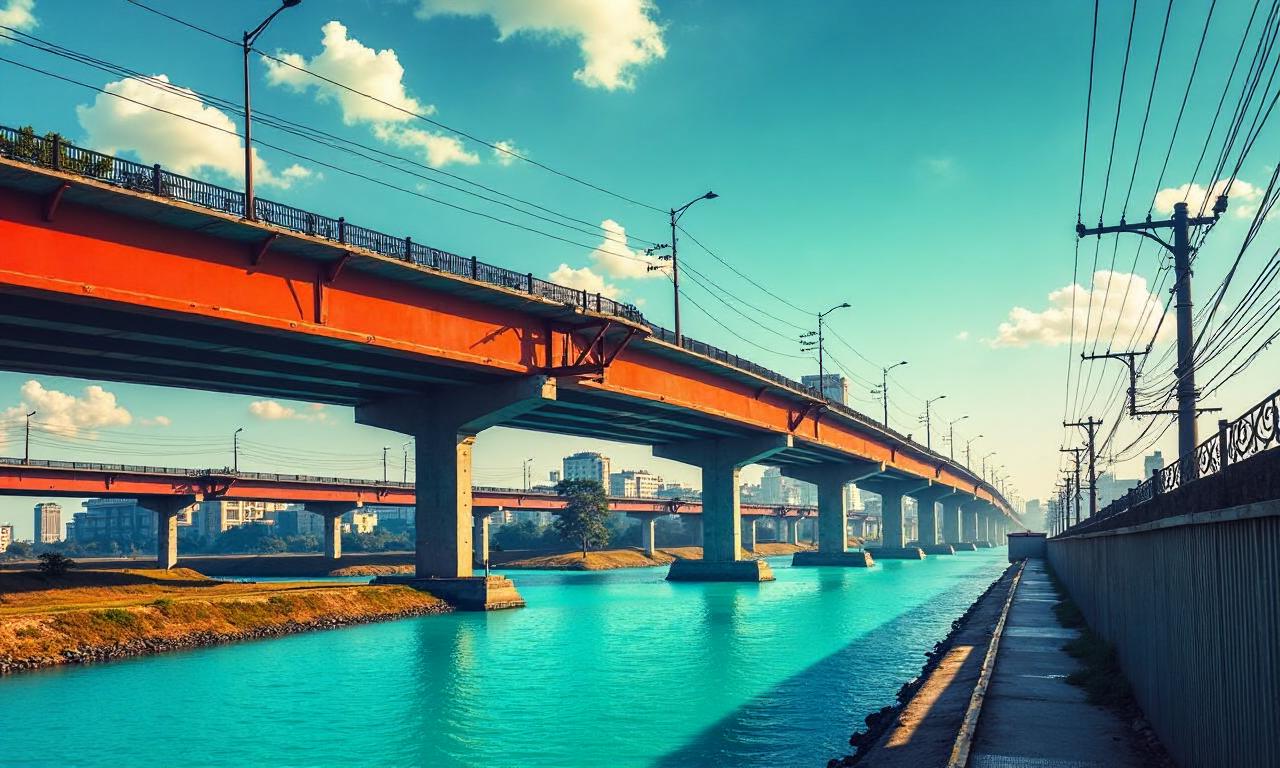
Table of Contents
A case for turning Dhaka’s flyovers into rainwater harvesters
Thebangladaily.com – Imagine a scenario where Dhaka’s flyovers, which often become temporary lakes after heavy rainfall, are transformed into natural reservoirs that help replenish the city’s dwindling groundwater reserves. This innovative idea—A case for turning Dhaka’s flyovers into rainwater harvesters—offers a promising solution to the dual water challenges faced by the metropolis. On June 12, the Bangladesh Meteorological Department recorded a staggering 43 millimetres of rainfall in just two hours, causing flyovers to overflow with water that cascaded onto the streets below. What began as a chaotic urban spectacle highlighted a critical opportunity: could this excess water be harnessed for a greater purpose rather than simply becoming a nuisance?
The Dual Water Challenges of Dhaka
Dhaka’s struggle with water is a familiar one. During the monsoon season, the city is plagued by severe waterlogging, with floodwaters inundating neighborhoods and disrupting daily life. At the same time, the groundwater level has been steadily declining due to over-extraction for domestic and industrial use. These challenges are compounded by the fact that millions of litres of rainwater are annually diverted through drainage systems and pumping stations without being recycled back into the aquifer. The question is no longer whether Dhaka can benefit from rainwater harvesting; it’s about how to integrate this solution into the city’s existing infrastructure.
Traditional rainwater harvesting systems rely on rooftop collection and storage tanks, but Dhaka’s elevated highways and flyovers provide a unique platform. These structures, spanning over 100 kilometres, are not only critical for traffic flow but also represent a vast surface area that can capture significant volumes of rainwater. For instance, a single elevated road measuring 15 metres wide and 10 kilometres long could collect approximately 15,000 cubic metres of water during a heavy downpour. By redirecting this water through engineered channels, filtration systems, and recharge wells, the city could begin to reverse the depletion of its groundwater reserves and mitigate flood risks during monsoons.
Learning from Global Precedents
Other cities have already demonstrated the feasibility of this approach. In India, the Delhi-Meerut Regional Rapid Transit System has incorporated 900 rainwater harvesting pits beneath its elevated viaducts and stations. These pits capture runoff, filter it, and channel it back into the ground, replenishing local aquifers. Similarly, Singapore has long integrated stormwater management into its urban planning, treating rainwater as a vital resource rather than a byproduct of excess. By designing systems that collect, store, and reuse water across roads, canals, and reservoirs, Singapore has managed to achieve water self-sufficiency despite its limited land area.
Applying this model to Dhaka’s flyovers could yield substantial environmental and economic benefits. The city’s drainage networks, already strained by the volume of water during heavy rains, would see reduced pressure if rainwater is captured and redirected. This would not only prevent flooding but also ensure that the water is used to nourish the soil, supporting urban greenery and landscaping. Additionally, by integrating rainwater harvesting into existing infrastructure, Dhaka could avoid the high costs of constructing new water systems, making the solution both practical and sustainable.
Strategic Implementation and Long-Term Gains
While the concept may seem unconventional, the technical and logistical challenges are surmountable. Water from elevated roads often carries pollutants, but cities like Delhi have successfully addressed this by using sediment traps, biofiltration systems, and recharge wells to purify the collected water before it is directed into the ground. In Dhaka, similar measures could be adopted, ensuring that the water harvested from flyovers is clean and usable. Furthermore, the integration of rainwater harvesting into future infrastructure projects or upgrades to existing flyovers could be cost-effective, especially when considering the long-term savings from reduced water shortages and lower flood damage.
Another advantage of this approach is its adaptability. Unlike traditional reservoirs, flyovers can be retrofitted with harvesting systems without requiring extensive land use. This is particularly important for a densely populated city like Dhaka, where every square metre is valuable. By leveraging the existing network of elevated highways, the city could create a decentralized system that captures and reuses rainwater across multiple districts. Such a strategy would also empower local communities, as it promotes a more resilient and self-sufficient urban environment.
Ultimately, A case for turning Dhaka’s flyovers into rainwater harvesters is not just about solving a single problem. It’s about reimagining infrastructure to serve both transportation and environmental needs. With climate change intensifying monsoon rains and increasing the frequency of extreme weather events, Dhaka has a unique opportunity to lead by example. By embracing this innovative approach, the city can address its water crises while reducing the impact of urban flooding, all without compromising its mobility or growth. The time to act is now, before the next monsoon turns the streets into rivers and the aquifers into empty wells.