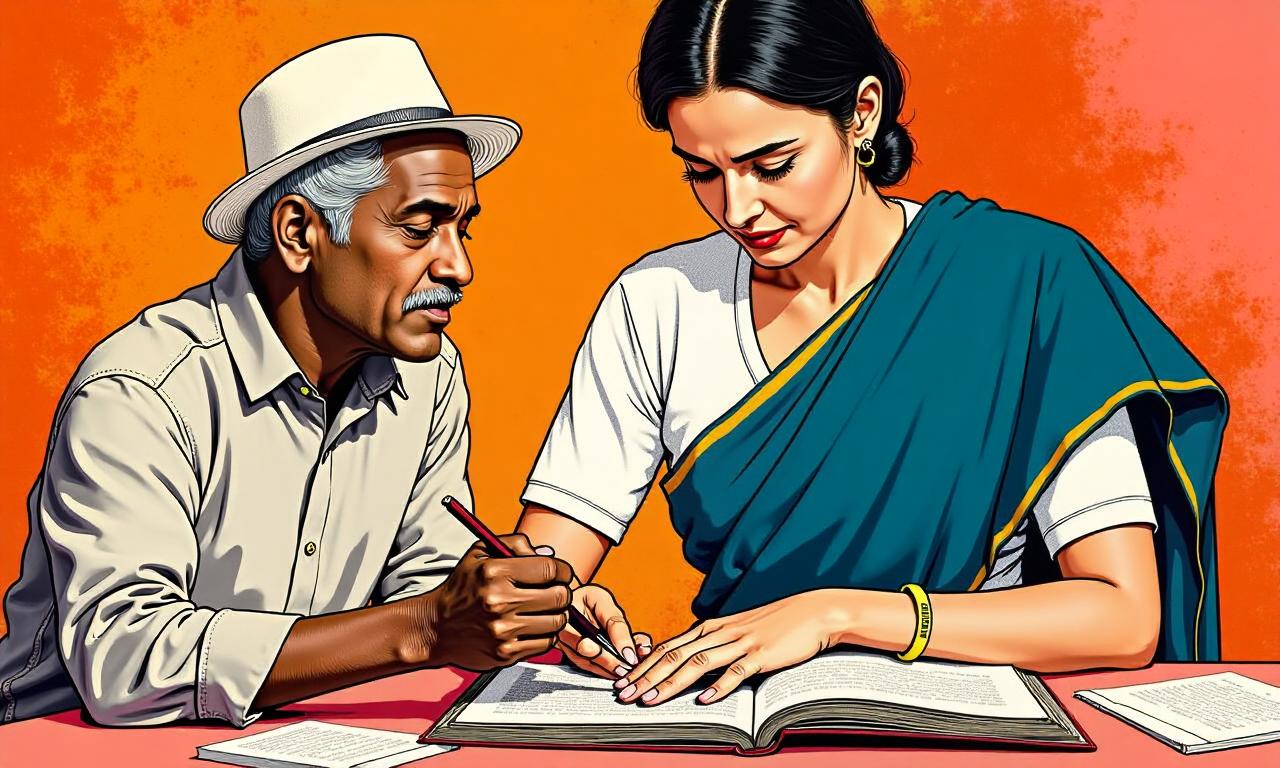
The forgotten art of Bengali advertising
The Forgotten Art of Bengali Advertising The forgotten art of Bengali advertising - Never in my memory have I encountered a scene at a countryside market

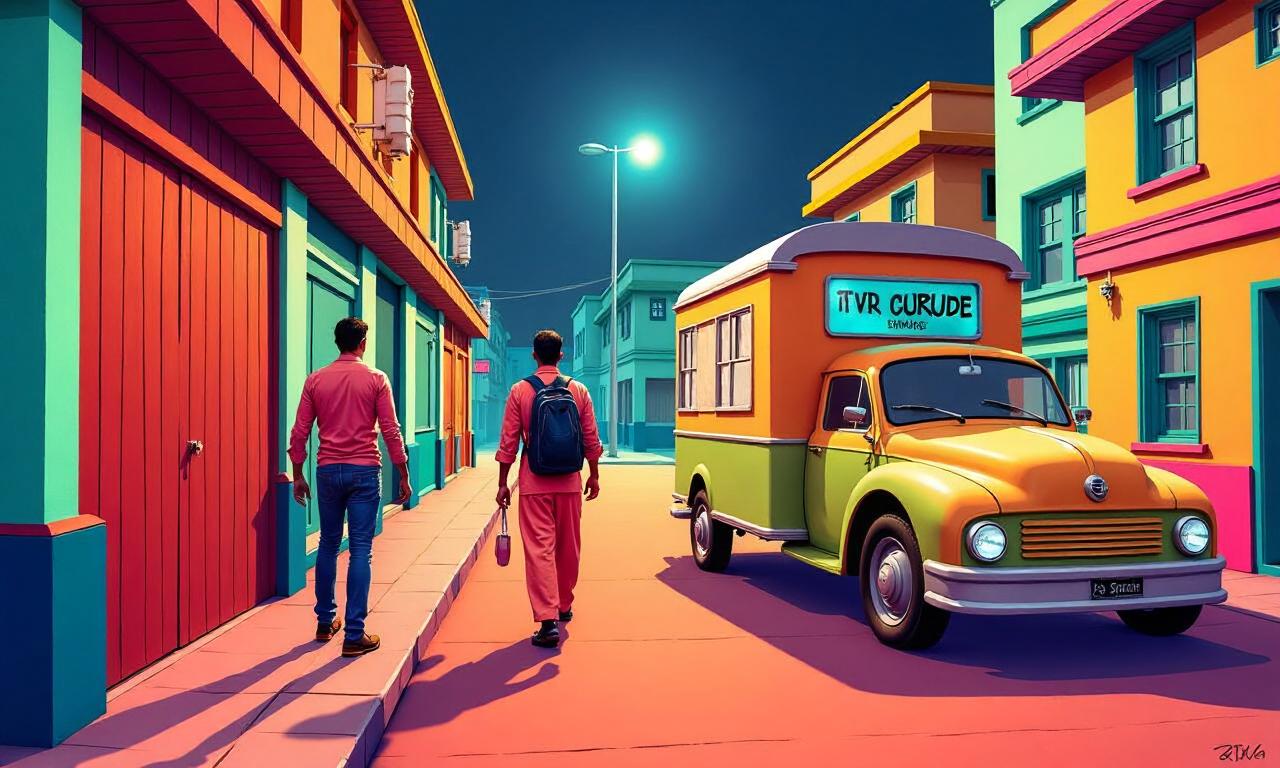
The Forgotten Art of Bengali Advertising
Thebangladaily.com – Never in my memory have I encountered a scene at a countryside market where a vendor, adorned with anklets, chanted promotions for “Khol Company’s Ringworm Ointment.” Nor have I seen a persuasive speaker distribute delicate pamphlets like playing cards, reciting in a cadence, “Here are the mysteries of Gopal Bhar, and here—the secret love letters.” The vibrant posters of Gauhar Jaan, lounging elegantly with a cigarette, were never tucked into my shirts’ creases. Yet, I did rummage through my grandfather’s coat pockets for aged tram tickets, only to find none carrying the faded emblem of “Ashtavakra Toothpowder.” Perhaps my great-grandparents watched a tram surge through a drowsy city, its sides emblazoned with Khadi Pratisthan’s cow protection pledge, but I missed that sight entirely. I hadn’t yet arrived in the world, and many who did are now absent. Still, I’ve managed to visualize it all through the remnants of old papers and digital records. These yellowed pages acted as a portal, unveiling a treasure chest of forgotten artistry.
A World Reclaimed Through Illustrations
Those vintage ads were more than historical fragments; they were living echoes of Sita-har, Jhumko, and Nak-chabi. I saw their artistic essence—these discarded visuals—and through them, I touched a realm that has faded from modern consciousness. One day, on a whim, I immersed myself in dusty newspapers and magazines, drawn to the strange, surreal advertisements that clung to the edges of faded newsprint. My focus remained on the illustrations, which stirred a deep connection to a book I once read: The Lost Tribes of Israel by Tudor Parfitt. The narrative spoke of twelve tribes vanishing during Israel’s 8th-century BC invasions, their traces sought across the globe by Parfitt’s relentless research, which persists to this day. Some even argue these lost people’s influence lingers in Afghani culture. Observing the old ads, I felt an uncanny parallel between those legendary tribes and the overlooked illustrators of Bengal’s past.
Renowned figures like the artist Raghunath Goswami continue to say—no, those advertisement drawings or ideas are not even worth considering. They claim it is a “mindless and indiscriminate simplification of art objects.” They say the expression has neither grace nor form. Artistic value? Far from it!
Despite their judgment, I grew determined. Weighing the arguments, I began to see humor and sorrow in the crude works of those who crafted ads for ringworm remedies or hair-growth tonics. Their art, though dismissed, whispered stories of a bygone era. It was as if the “madman” of the passage, with his thick hair and iron-bound hands, symbolized the spirit of these creators. He was said to have been freed by “ABD Pills” and “Dutta Oil,” the cure for ailments that once captivated the masses. The “Bengali Asylum” at Dutta Nagar, Dum Dum, with its headquarters on 29-A Vivekananda Road (Phone: Jora), stood as a testament to this forgotten legacy.
Though the world has moved on, these illustrations remain a bridge to a time when art and commerce intertwined in ways now deemed insignificant. Can we not carve them a modest space in Bengal’s visual history? Their ghosts, once dismissed, now demand recognition through the lens of time and memory.