
US waives Iran sanctions, Trump says he will ‘do what I have to’ if Tehran misbehaves
US Waives Iran Sanctions as Trump Prepares Contingency Measures US waives Iran sanctions Trump says - President Donald Trump announced a significant move in

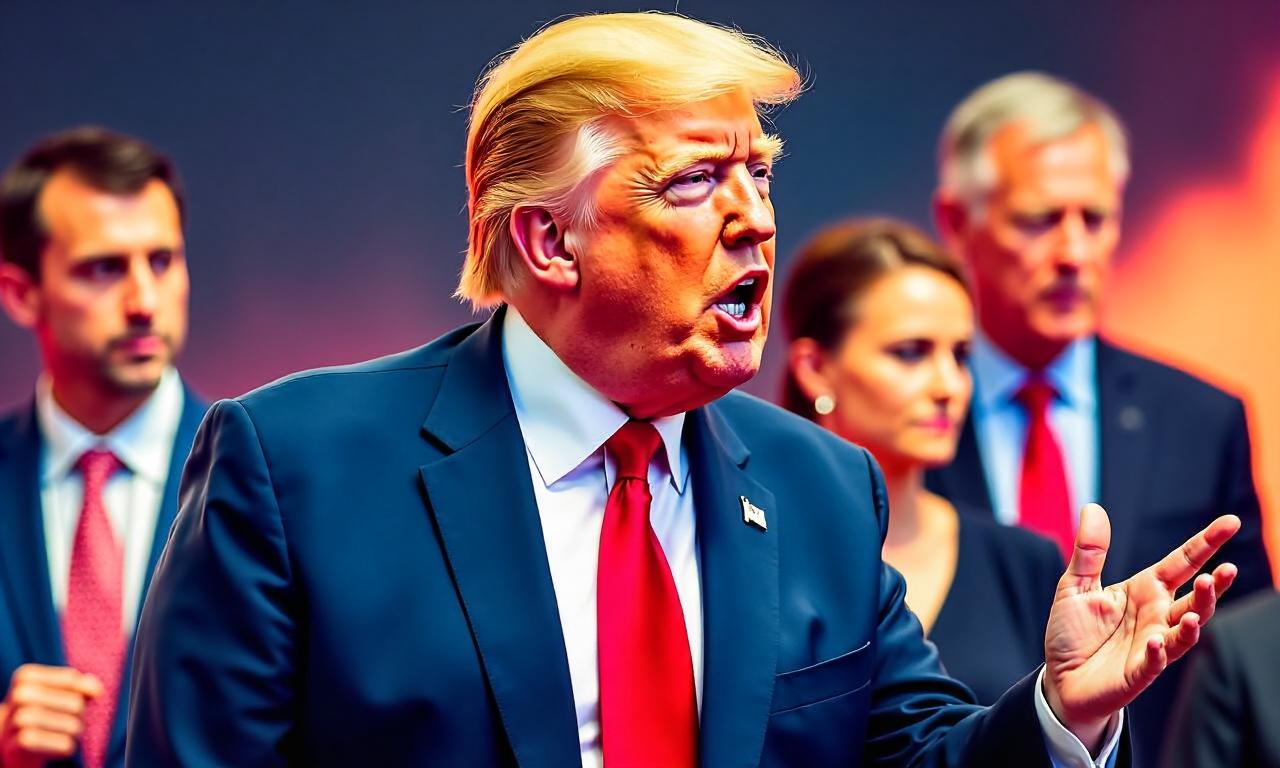
US Waives Iran Sanctions as Trump Prepares Contingency Measures
Thebangladaily.com – President Donald Trump announced a significant move in the ongoing negotiations with Iran, stating that the United States would temporarily lift sanctions on the country for 60 days. This decision, which is part of a broader effort to secure a peace agreement, aims to provide Iran with economic relief while maintaining pressure to comply with the terms of the deal. The focus keyword “US waives Iran sanctions Trump” is central to this development, as Trump emphasized that he would take decisive action if Iran fails to behave as expected. The waiver, set to begin on Monday, allows Iran to continue exporting oil and related goods, easing financial constraints during the negotiation period.
Progress in Swiss Talks and the 60-Day Timeline
Key discussions took place in a Swiss resort, where U.S. and Iranian officials laid the groundwork for a potential agreement. The 60-day sanctions waiver is designed to create a window for resolving critical issues, including Iran’s nuclear program. While Iran has not yet confirmed its commitment to the terms, the U.S. Treasury’s temporary relief signals a willingness to engage in a flexible framework. Trump’s statement underscores the importance of accountability, stating that the waiver is conditional on Iran’s behavior. Mediators Pakistan and Qatar played a pivotal role in confirming the timeline, which is expected to lead to a final accord.
Trump’s Conditional Approach and Iran’s Stance
Trump’s promise to enforce necessary measures if Iran misbehaves has been a recurring theme in recent statements. The focus keyword “US waives Iran sanctions Trump” encapsulates his strategic approach, balancing diplomacy with the threat of sanctions. Iran, however, has maintained its position that the nuclear program is peaceful and has not fully committed to the agreement. Despite this, the initial waiver is seen as a pragmatic step to encourage compliance. The U.S. Treasury’s action has already allowed Iran to access vital revenue streams, which could be crucial for sustaining its economy during the negotiation phase.
Economic Implications and Regional Stability
The 60-day waiver has immediate economic implications, particularly for Iran’s oil exports. By easing restrictions, the U.S. aims to stabilize regional markets and ensure continued commercial activity through the Strait of Hormuz. This aligns with broader goals to protect shipping lanes and maintain economic cooperation. The decision also reflects Trump’s emphasis on conditions for the waiver, which includes monitoring Iran’s nuclear activities. Additionally, the U.S. and Israel have agreed on a plan to resolve the Israeli-Hezbollah conflict in Lebanon, creating a dual focus on regional security and diplomatic progress. This multifaceted strategy highlights the interconnected nature of the negotiations.
Quotes and Leadership Commitments
“We have made substantial progress in our discussions, and the waiver is a critical step toward a lasting agreement,” said U.S. Vice President JD Vance, who played a key role in the Swiss talks. This statement reflects the administration’s confidence in the process, even as challenges remain. Trump added, “If Iran doesn’t adhere to the deal, I will do what I have to do to ensure they behave properly.” His assertive language reinforces the conditional nature of the waiver and the U.S. stance on maintaining leverage. The quotes from officials provide insight into the political dynamics at play, as both sides navigate complex negotiations.
Sanctions, Nuclear Agreements, and Diplomatic Leverage
The sanctions waiver is part of a larger framework that includes nuclear inspection commitments. Trump insisted that Iran must agree to “nuclear honesty” to justify the relief, a condition that has been a sticking point in previous talks. Meanwhile, Iran has paused IAEA inspections since the start of the conflict last year, citing the need for transparency. The focus keyword “US waives Iran sanctions Trump” is reiterated here, emphasizing the interplay between economic incentives and diplomatic demands. As the 60-day period progresses, the success of the negotiations will depend on Iran’s willingness to meet U.S. expectations, particularly in the nuclear domain.
Financial Frameworks and Market Reactions
White House envoy Jared Kushner proposed a financial mechanism where the U.S. and Qatar would jointly oversee Iran’s unfrozen assets. This framework directs funds toward American agricultural products, a move Trump claims will benefit U.S. farmers. However, Iran’s Central Bank Governor, Abdolnaser Hemmati, challenged the obligation, stating that the frozen funds could be allocated to other goods. The focus keyword “US waives Iran sanctions Trump” is further embedded in this section, highlighting the economic dimensions of the agreement. Global oil prices dipped following the announcement, underscoring the immediate market impact of the waiver. Technical negotiations are set to continue this week, with the goal of resolving lingering disputes before the 60-day window closes.