
Mindset shift needed to tap tourism potential: DC Zahid
Chattogram’s beaches, hills, lakes and cultural heritage could help Bangladesh build a stronger tourism economy, but the opportunity will require clearer

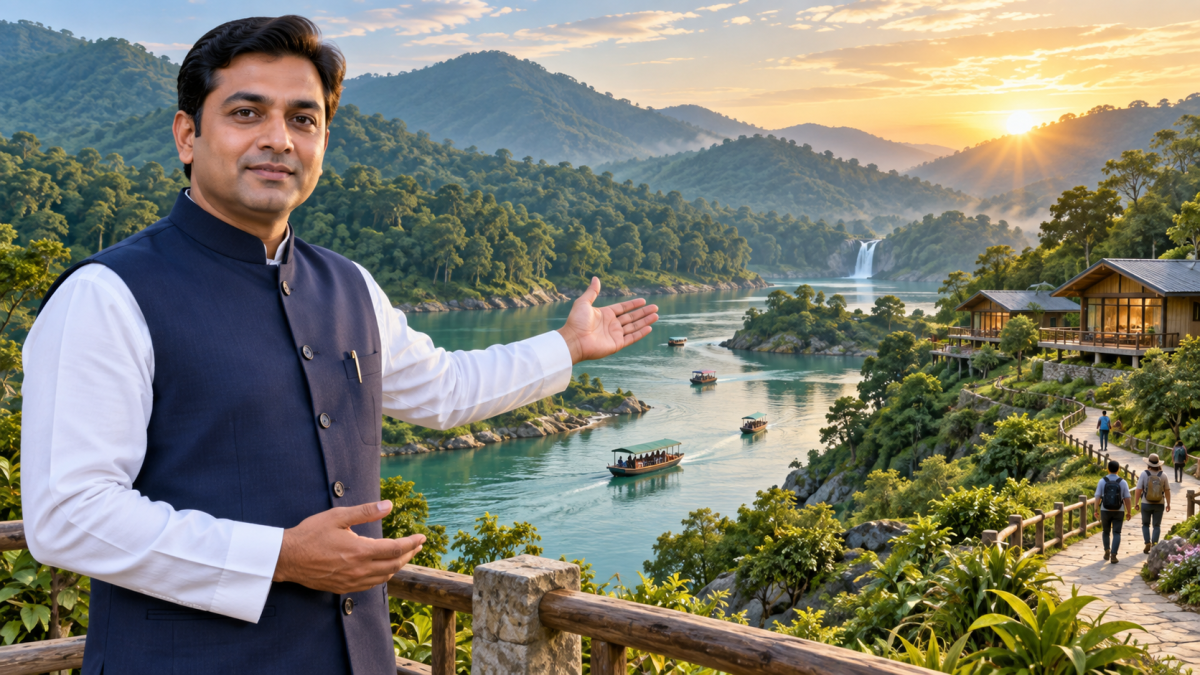
Table of Contents
Chattogram Urged to Turn Tourism Assets Into Lasting Economic Opportunity
Thebangladaily.com – Chattogram’s beaches, hills, lakes and cultural heritage could help Bangladesh build a stronger tourism economy, but the opportunity will require clearer planning, improved services and a change in public attitudes, Deputy Commissioner Mohammad Zahidul Islam Mian said on Sunday, September 27.
Speaking at a World Tourism Day discussion at Chattogram Circuit House, the deputy commissioner said tourism should be viewed as a serious development sector rather than a limited seasonal business. A rally was also organised in the city to observe the day.
He said Bangladesh has the natural resources to attract more visitors, particularly in Chattogram and the Chittagong Hill Tracts, where coastal scenery, elevated landscapes and lakes offer a wide range of travel experiences. However, converting those assets into sustained economic returns depends on coordinated action by government agencies, businesses and local communities.
A sector with room to grow
Zahidul described tourism as a potential major contributor to the national economy, alongside garments, remittance income and agriculture. His remarks highlighted the possibility of creating wider employment through accommodation, transport, restaurants, guiding, local products and other visitor-related services.
For this potential to be realised, he said the sector needs a better understanding of whom it wants to serve. Tourism planners and business operators should identify their intended visitors, learn what those visitors expect, and present Bangladesh’s attractions more effectively through international digital platforms.
That approach would allow destinations to communicate practical information as well as their appeal. Travellers generally need confidence about where they can stay, how they can move safely, what services are available and what kind of experience a destination offers. Promotion is therefore closely connected to the quality and reliability of the visitor experience.
Safety and service must come before quick returns
The deputy commissioner called on tourism operators to put visitor security, convenience and service standards ahead of short-term commercial gain. He said safety should not be treated only as an issue of law enforcement.
Tourist safety should include public security, food safety, accommodation and safe travel.
This broader view places responsibility across many parts of the tourism chain. Hotels and restaurants have a direct role in hygiene and food handling, while transport providers, destination managers and local authorities all contribute to whether visitors feel secure and welcome.
Zahidul asked hotel and restaurant owners to provide employee lists to the district administration. The lists would support health checks and training initiatives covering hygiene, food safety and customer care. Such measures can help establish more consistent standards across businesses that interact with visitors every day.
For travellers, the difference between an attractive place and a successful tourism destination often comes down to these basic details. Natural beauty may bring people to a region for the first time, but dependable services, clean facilities and respectful treatment can shape whether they recommend the experience to others or choose to return.
Cooperation needed for young workers
The deputy commissioner also stressed the importance of public-private collaboration in expanding tourism and opening work opportunities for Bangladesh’s young population. Tourism involves more than hotels or sightseeing sites; it can support a network of jobs in food services, transport, hospitality, maintenance, cultural activities and small businesses.
Building that network requires businesses to invest in capable staff and public institutions to support training, standards and destination planning. A coordinated approach can also help ensure that development protects the natural and heritage features that make Chattogram appealing in the first place.
Zahidul called for an organised strategy to introduce Chattogram’s scenery and heritage to international audiences. Rather than promoting isolated locations separately, a common plan could present the region as a connected destination with coastal, hill and cultural experiences.
World Tourism Day provided the setting for the discussion, bringing together officials and stakeholders linked to the sector. Tourist Police Chattogram Region Superintendent of Police Uttam Prasad Pathak attended the programme, along with Additional Deputy Commissioner (General) Md Sharif Uddin and Chattogram City Corporation Regional Executive Officer Zobaida Akter.
The message from the event was that Bangladesh’s tourism prospects depend not simply on what the country already possesses, but on how effectively those resources are managed and presented. Stronger promotion may draw attention, yet planning, safety, skilled service and cooperation will determine whether that attention develops into durable growth for Chattogram and the wider tourism sector.
Related Reading
Frequently Asked Questions
What is Mindset shift needed to tap tourism?
Mindset shift needed to tap tourism is the main topic of this guide. The article explains the context, practical details, and next steps readers should understand.
Why does Mindset shift needed to tap tourism matter?
Mindset shift needed to tap tourism matters because readers are looking for a useful answer, not just a short summary. Good content should match search intent and help them decide what to do next.