Iran says to oversee Hormuz as Swiss talks conclude
Iran Declares Intent to Control Hormuz Following Swiss Talks Iran says to oversee Hormuz as Swiss - Iran has stated its intention to oversee the Strait of

Iran Declares Intent to Control Hormuz Following Swiss Talks
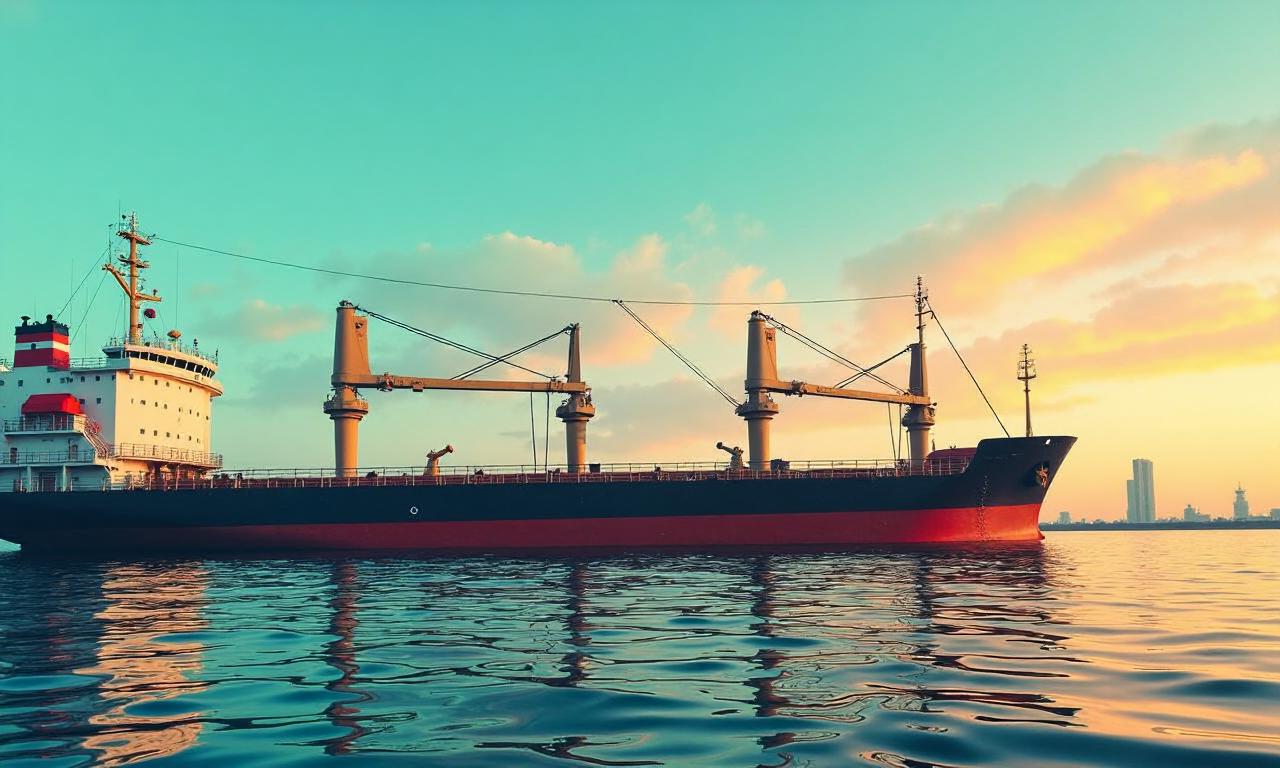
Thebangladaily.com – Iran has stated its intention to oversee the Strait of Hormuz, a strategic waterway vital for global oil trade, as high-level negotiations with the United States concluded in Switzerland. The talks, which spanned several weeks, aimed to address critical issues in the Middle East, including Iran’s nuclear program and regional security concerns. While the agreement includes temporary relief for Iranian oil sanctions, Iran has emphasized its claim to manage the strait under international law. This decision follows recent tensions, including the closure of Hormuz after Israeli strikes in Lebanon, which Iran used as a leverage point during the discussions.
Key Agreements and Diplomatic Framework
After days of intense negotiations, the Swiss talks culminated in a mutual understanding between Iran and the U.S. to establish working groups focused on resolving nuclear disputes and ensuring maritime stability. Iran’s state media highlighted the outcome, stressing the country’s commitment to maintaining control over Hormuz as a symbol of its geopolitical influence. U.S. officials, however, noted that the agreement remains a preliminary step, with final details yet to be finalized. The focus keyword, “Iran says to oversee Hormuz,” was reiterated by both sides to underscore the importance of the strait in their strategic calculations.
“Iran will continue to assert its authority over the Strait of Hormuz, which is essential for protecting its national interests and ensuring secure trade routes,” said a senior Iranian official during the talks.
One of the key elements of the deal is the temporary easing of sanctions on Iranian oil exports, allowing the country to send shipments until August 21. This move is seen as a critical concession by the U.S. to support Iran’s economic stability. In return, Iran agreed to create a communication channel with Washington to prevent future disruptions. The agreement also includes provisions for joint inspections of Iranian nuclear facilities, though the exact terms are still under discussion. These steps are expected to reduce immediate tensions, but the long-term implications of Iran’s oversight of Hormuz remain uncertain.
Historical Context and Regional Implications
Iran’s claim to oversee Hormuz is rooted in its historical role as a regional power, dating back to the 1979 Islamic Revolution. Since then, the country has sought to assert dominance over key maritime corridors, particularly after the U.S. imposed sanctions in 2018. The current negotiations, mediated by Pakistan and Qatar, aim to solidify this position through a formal framework. Iran’s insistence on maintaining control over Hormuz reflects its broader strategy to safeguard its economic and military interests, even as it engages in diplomatic dialogue with the U.S.
Experts note that the strait’s management has far-reaching consequences for global energy markets. By securing the right to oversee Hormuz, Iran can ensure uninterrupted oil exports, which are crucial for meeting international demand. However, the closure of the strait in response to the Israeli strikes in Lebanon demonstrated how easily regional conflicts can disrupt trade. The new agreement is intended to prevent such scenarios, but it also raises concerns about the U.S. relinquishing some control over the strategic waterway. As the talks conclude, the focus keyword, “Iran says to oversee Hormuz,” remains central to the agreement’s structure.
Continued Dialogue and Future Prospects
The agreement includes a 60-day period for further negotiations, during which both parties will refine the terms of the deal. Iran has expressed confidence in its ability to manage Hormuz effectively, while the U.S. aims to balance its interests with the need for stability. Talks between Iranian President Masoud Pezeshkian and U.S. officials are expected to continue, with a focus on aligning perspectives on nuclear development and regional security. The strategic keyword, “Iran says to oversee Hormuz,” will likely feature in these discussions as a cornerstone of the bilateral relationship.
Analysts suggest that the oversight of Hormuz by Iran could lead to a more predictable but still contested framework for regional cooperation. While the U.S. has secured temporary relief on sanctions, the long-term commitment to this arrangement depends on Iran’s adherence to the agreement’s terms. The success of the deal will be measured not only by the reopening of the strait but also by its role in reducing tensions between Iran and its neighbors. As the talks conclude, the focus keyword, “Iran says to oversee Hormuz,” will remain a pivotal element in shaping the region’s future dynamics.