
95% of Bangladeshi farmers use unbalanced fertilisers: WB report
WB Report Highlights Fertilizer Imbalances Among Bangladesh Farmers 95 of Bangladeshi farmers use unbalanced - A recent World Bank study reveals that nearly

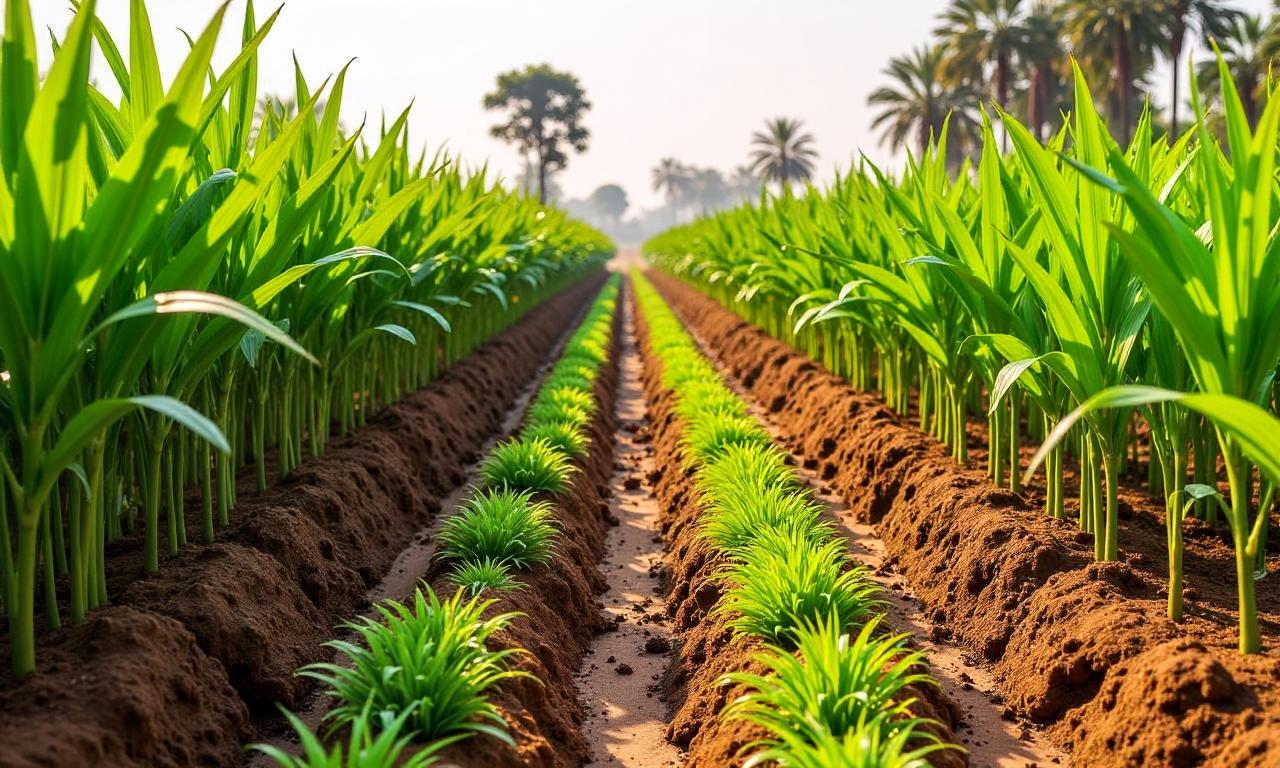
WB Report Highlights Fertilizer Imbalances Among Bangladesh Farmers
Thebangladaily.com – A recent World Bank study reveals that nearly 95% of Bangladeshi farmers rely on unbalanced fertilizer mixtures, posing challenges to soil health and long-term agricultural sustainability. The findings, from the report titled “Repurposing Agricultural Public Spending for Quality Growth and Jobs in Bangladesh’s Agrifood System,” highlight a critical gap in nutrient management practices. Only 5% of farmers apply fertilizers in proportion to scientific recommendations, according to the June 15 release.
Regional and Crop-Specific Variations
The report identifies uneven nutrient usage across regions and crops. Two-thirds of farmers overapply phosphorus, while nearly 90% underuse sulphur. Potassium levels are also deficient in about 60% of cases. Nitrogen application varies significantly, with rice growers often lacking sufficient use and onion or vegetable farmers applying excess amounts. These disparities suggest a need for localized strategies to address imbalances.
Soil Degradation and Yield Loss
“Improper fertilizer use is accelerating soil degradation,” warned Jonaed Shohol, a World Bank research analyst. He noted that soils are becoming more acidic and less capable of water retention, which could harm future crop productivity.
Agriculture Minister Mohammed Amin Ur Rashid emphasized that Bangladesh’s soil pH averages around 4.5, below the optimal 6.5. Excessive chemical inputs, he stated, are worsening acidity and reducing fertility. To address this, the government is expanding soil testing nationwide.
Call for Improved Communication
Shohol pointed to limited awareness among farmers as a key barrier to adopting balanced practices. Despite guidelines from the Bangladesh Agricultural Research Council (BARC), these recommendations are not effectively reaching growers. He criticized the Department of Agricultural Extension (DAE) for its inadequate outreach, suggesting that better use of social media, radio, and billboards could improve understanding.
Tailoring Recommendations for Better Outcomes
Moin Us Salam, a former agronomy professor, argued that assumptions about fertilizer overuse require deeper scrutiny. He explained that BARC develops recommendations based on research trials, but their effectiveness depends on accurate field-level data. In India’s Bihar state, soil nutrient mapping at individual plot levels has already been completed, enabling precise guidance. Bangladesh, however, lacks this granularity, according to Salam.
“The government’s proposed policy could reduce input use by over 23% while boosting yields,” said the agriculture minister. He added that insufficient knowledge among field officials has contributed to the widespread use of unbalanced nutrient mixes. Without addressing these issues, sustainable farming may not be achievable in the future.