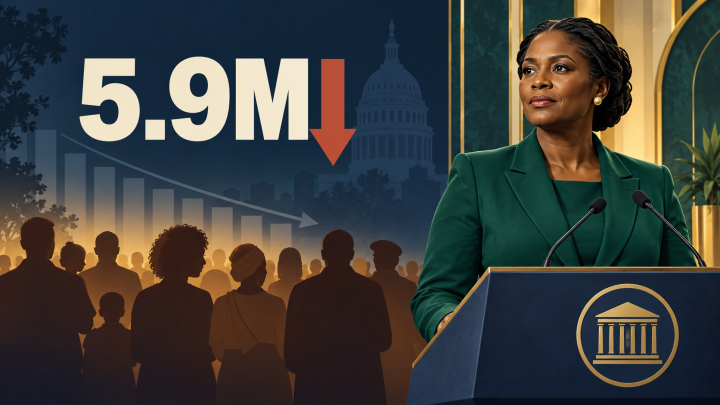
3-day Bangladesh Innovation Fair inaugurated
Bangladesh has opened a three-day national platform for innovators, investors, researchers and entrepreneurs, with Prime Minister Tarique Rahman calling for

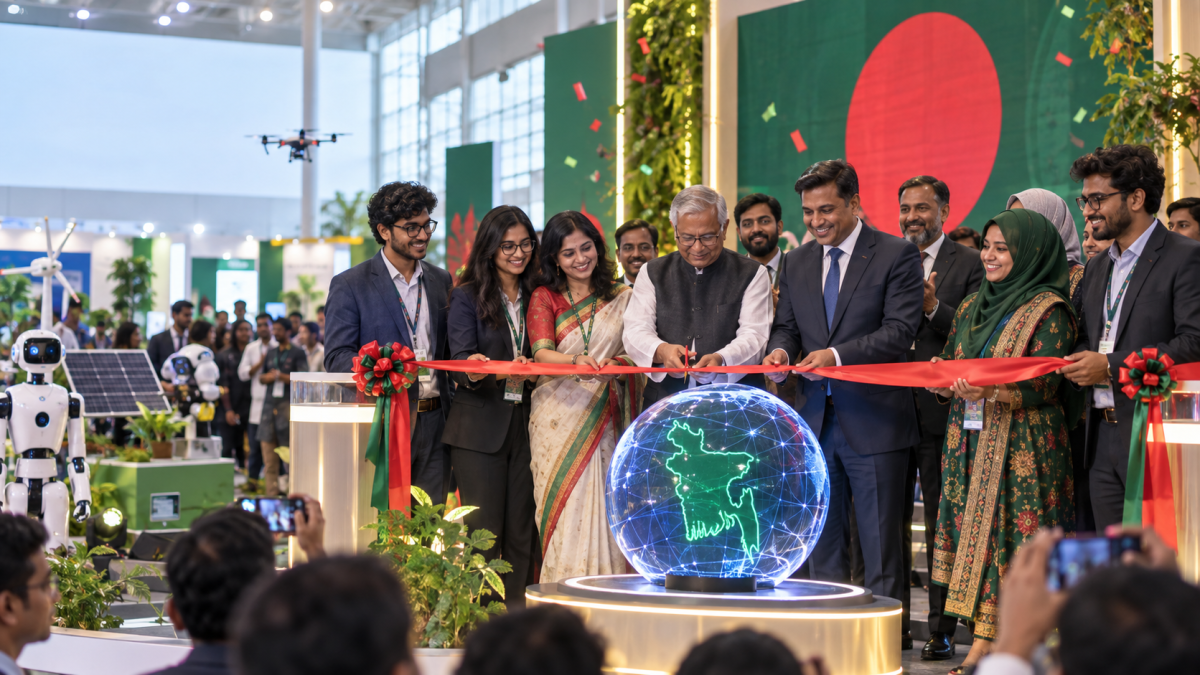
Table of Contents
Bangladesh Innovation Fair 2026 Opens With Focus on Bringing Ideas to Market
Thebangladaily.com – Bangladesh has opened a three-day national platform for innovators, investors, researchers and entrepreneurs, with Prime Minister Tarique Rahman calling for locally developed ideas to move beyond prototypes and reach commercial markets.
The Bangladesh Innovation Fair 2026 began on Saturday at the Novo Theatre in Bijoy Sarani. Organised by the Ministry of Science and Technology, the event carries the theme “Innovate to Market”, reflecting its central aim of helping promising domestic innovations find practical use, institutional backing and business opportunities.
At the inauguration, the prime minister highlighted the importance of converting home-grown innovation into products that can be sold, used and scaled. The message places attention on a recurring challenge for inventors: developing an idea is only one stage of the journey, while funding, policy support, legal protection and market access often determine whether that idea can become sustainable.
A Meeting Point for the Innovation Ecosystem
The fair is intended to create long-term cooperation among groups that may otherwise work separately. Its participants include local inventors, innovation-focused organisations, policymakers, entrepreneurs, investors, universities, financial institutions and development partners.
Government and private research bodies are taking part alongside 73 public and private universities. The programme also brings together independent researchers, students, early-stage startups, small and medium enterprises and global investors. By placing these groups in one setting, the fair seeks to make it easier for creators to present their work to people who may be able to support development, investment, regulation or wider adoption.
More than 1,000 emerging and promising innovations are on display across a broad range of fields. These include technology, business, education, healthcare, agriculture and environmental work, as well as other sectors. The scale of participation underlines how innovation can arise from classrooms, research institutions, small businesses and individual experimentation, rather than from one single part of the economy.
For visitors, the event offers an opportunity to see how ideas are being applied to everyday needs. Innovation is often discussed in terms of major technological breakthroughs, but many useful solutions can be smaller, more focused and closely linked to local problems. A new process, tool, service model or digital system can have practical value when it improves access, reduces costs or helps people work more efficiently.
Addressing Barriers Beyond the Prototype
Organisers have identified a central obstacle facing many grassroots innovators: potentially valuable technologies and concepts may never advance to implementation. Initial financing can be difficult to secure, while a lack of institutional cooperation or supportive policy can prevent an idea from progressing from a demonstration to real-world use.
The fair therefore places emphasis on removing administrative and financial obstacles. It also highlights the need for intellectual property protection and pathways for commercial expansion. These issues matter because inventors need confidence that their work can be recognised and protected, while investors and businesses need clearer routes for bringing a product or service to customers.
Commercialisation does not simply mean selling an invention. It can involve testing whether a solution works at a larger scale, finding users, improving design, meeting applicable standards, building partnerships and identifying a financially viable model. The fair’s focus on market connection is designed to bring these considerations into the conversation at an earlier stage.
“Innovate to Market”
The theme also signals that innovation policy and business development need to work together. Research and creativity can generate ideas, but collaboration with financial institutions, government agencies, businesses and investors can help determine whether those ideas reach the people who need them.
Healthcare Session Planned for Second Day
A special international session will take place on the second day of the fair tomorrow. Titled “Healthcare Innovation for All: Expanding Access to Affordable and Inclusive Healthcare,” the session will examine technologies that can help provide affordable, quality healthcare to marginalised communities at their doorsteps.
Healthcare innovation can be especially significant when it helps reduce the distance between patients and services. The planned discussion will focus on approaches intended to widen access without losing sight of affordability and inclusion. This makes the session relevant not only to medical professionals and technology developers, but also to communities that face barriers in obtaining timely care.
Dr Zubaida Rahman, wife of the prime minister, is scheduled to attend the session as chief guest.
Partners Supporting the Event
The National Board of Revenue, the Department of Patents, Industrial Designs and Trademarks, and the Foreign Investors’ Chamber of Commerce and Industry are serving as strategic partners of the fair. Their involvement reflects the range of issues connected with turning an innovation into a viable market offering, including taxation, intellectual property and investment engagement.
The United Nations Development Programme is providing technical support for the event. Together, the participating institutions are expected to help broaden dialogue around the conditions needed for Bangladeshi innovators to move from ideas and early development toward implementation and commercial growth.
As the three-day programme continues, the fair will provide a visible showcase for emerging work across multiple sectors while drawing attention to the support systems innovators need after an idea has been created. Its wider value will rest on whether new connections formed among researchers, entrepreneurs, policymakers and investors lead to durable partnerships and practical opportunities for the innovations on display.
Related Reading
Frequently Asked Questions
What is 3 day Bangladesh Innovation Fair inaugurated?
3 day Bangladesh Innovation Fair inaugurated is the main topic of this guide. The article explains the context, practical details, and next steps readers should understand.
Why does 3 day Bangladesh Innovation Fair inaugurated matter?
3 day Bangladesh Innovation Fair inaugurated matters because readers are looking for a useful answer, not just a short summary. Good content should match search intent and help them decide what to do next.