LICENCE TO TRAVEL
A LICENCE TO TRAVEL may be no larger than a pocket-sized booklet, but a passport can determine where a person may go, how they are identified and whether they

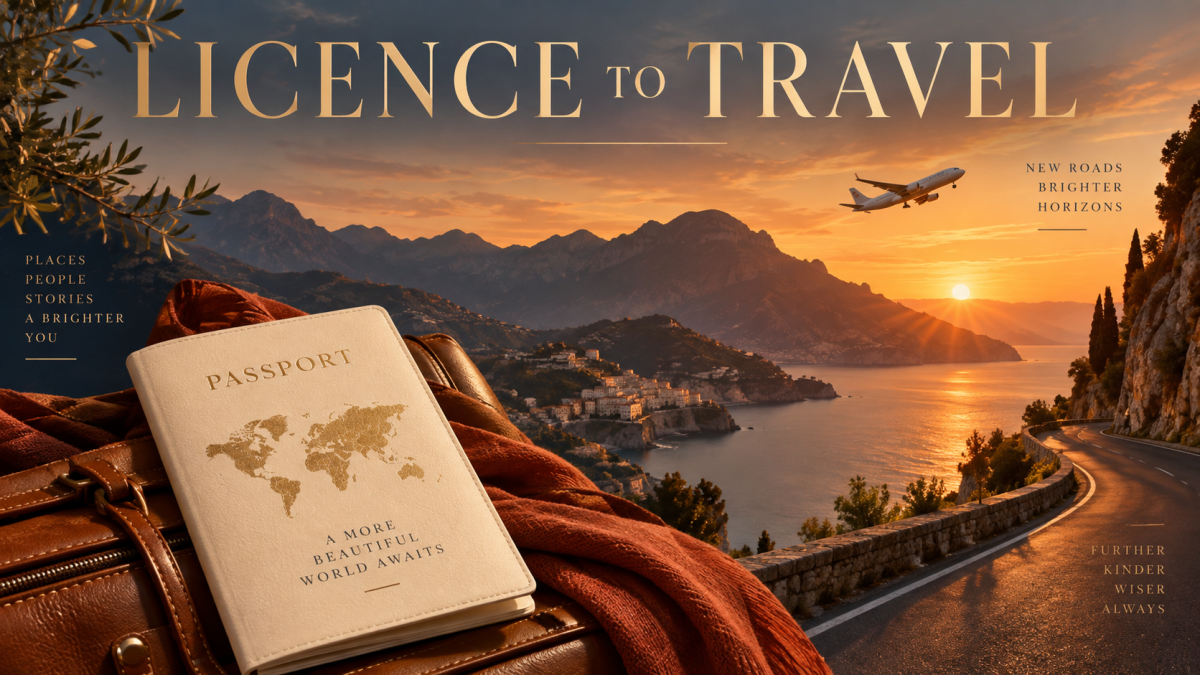
Table of Contents
Licence to Travel: How Passports Shape Freedom
Thebangladaily.com – A LICENCE TO TRAVEL may be no larger than a pocket-sized booklet, but a passport can determine where a person may go, how they are identified and whether they can cross a border at all. Salman Rushdie called it “the most precious book” he owned, while Lord Byron regarded it as a form of wealth accepted everywhere. Patrick Bixby, a professor at Arizona State University, explores the passport as more than a travel document: it is a record of identity, citizenship, state power and exclusion.
Bixby’s study is divided into four sections: “A Prehistory of the Passport as We Know It”, “The Advent of the Passport as We Know It”, “The Passport as We Know It” and “Good Passports and Bad Passports”. The structure follows the transformation of an administrative permit into one of the defining documents of modern life.
Freedom of movement and state control
The COVID-19 pandemic demonstrated how rapidly travel freedoms can be limited. Borders closed, internal movement was restricted, quarantine rules affected visitors and returning citizens, and vaccine passports became a major subject of debate. The period showed that public health, security and politics can quickly outweigh the assumption of easy international movement.
For Indians, this question has a particular constitutional importance. A Supreme Court ruling in 1978 recognized travel as a fundamental right, although it may be restricted when wider public interest demands it. A passport therefore represents both personal liberty and the government’s authority to regulate borders, entry and departure.
Today’s passports carry several functions at once. They confirm nationality, help states monitor cross-border movement and provide standardized personal identification. Their development has involved photographs, personal data, biometrics and retinal scans. Italian philosopher Giorgio Agamben described such practices as “bio-political tattooing”, emphasizing how closely the body can become linked to state administration.
From old permits to modern passports
The word passport has French roots, developing from passeport, itself formed from passer and port. Shakespeare used the word in Henry V, though historically ahead of its time: it acquired its modern meaning roughly fifty years after the Battle of Agincourt, around which the play is set.
Its history includes many unusual examples. In 1780, Benjamin Franklin, then the American envoy in France, issued a United States passport about a decade before the State Department formally began doing so. Congress did not pass a passport law until 1856, around seven decades later.
India’s legal framework developed later. Colonial-era legislation in 1920 addressed entry into India, while the broader Indian Passport Act came into force in June 1967. These laws helped establish the system through which the state could regulate international mobility.
Well-known figures also encountered or evaded travel controls. Vladimir Lenin used a false passport while wearing a wig and removing his beard to change his appearance. Frederick Douglass escaped enslavement in 1838 with a borrowed travel document. Ernest Hemingway faced a more comic difficulty when an official misread his handwriting and recorded his occupation as “waiter” rather than “writer”.
War and the tightening of borders
The First World War changed international travel profoundly. Crossing borders to see family or friends became more difficult as governments introduced stricter identification rules and controls. André Gide complained of “toutes les formalités de passeport”, while Ezra Pound wrote of having “hell’s own time about passports”. Their frustration reflected a broader shift from relatively easy movement to regulated mobility.
In 1920, the newly established League of Nations organized the Paris Conference on Passports and Customs Formalities. It sought common standards for passport booklets, including dimensions and language requirements. Documents were to be written in the issuing country’s national language as well as French, giving national identity a format intended to be recognized across frontiers.
Standardization did not resolve the humanitarian consequences of war and imperial collapse. The fall of the Ottoman, Austro-Hungarian and Czarist empires displaced large populations across Europe. More than 1.5 million émigrés became stateless refugees after losing citizenship through denaturalization and related processes.
That history remains deeply relevant. In 2025, nearly 120 million people were displaced worldwide, including 43 million refugees and 68 million people displaced within their own countries. For many of them, a LICENCE TO TRAVEL is not simply a convenience but a document connected to safety, belonging and the possibility of rebuilding a life.
Frequently Asked Questions
Why is a passport important for Indian travellers?
An Indian passport establishes nationality and is generally required for international travel. It also enables the holder to seek visas where necessary and identify themselves before foreign authorities.
Can the right to travel abroad be restricted in India?
Yes. The Supreme Court recognized travel as a fundamental right in 1978, but restrictions may be imposed when they are considered necessary in the wider public interest.
Why do passports contain biometric information?
Biometric features help governments verify identity and reduce the risk of fraud. They reflect the modern role of the passport as both a travel permit and a highly regulated form of personal identification.