President calls for stronger B’desh-UK ties
Bangladesh President Mirza Fakhrul Islam Alamgir has urged the United Kingdom to broaden cooperation with Bangladesh in education, skills development and

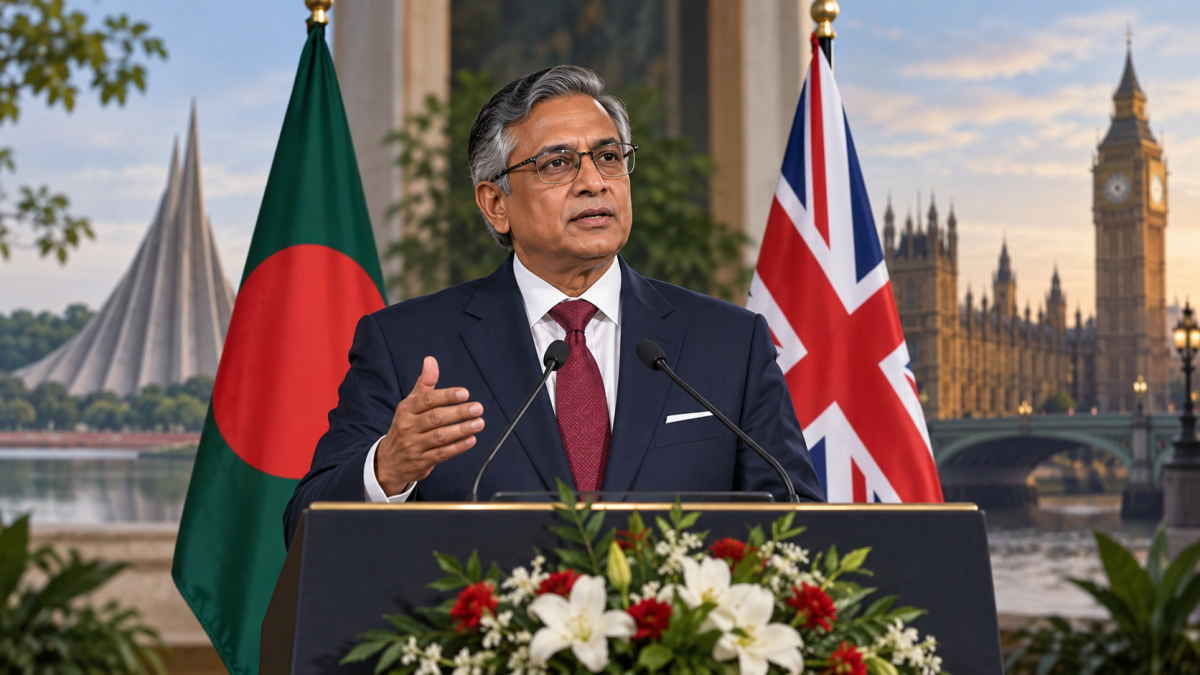
Table of Contents
President Seeks Deeper Bangladesh-UK Partnership in Education, Trade and Technology
Thebangladaily.com – Bangladesh President Mirza Fakhrul Islam Alamgir has urged the United Kingdom to broaden cooperation with Bangladesh in education, skills development and technology, while also pursuing stronger trade and investment links between the two countries.
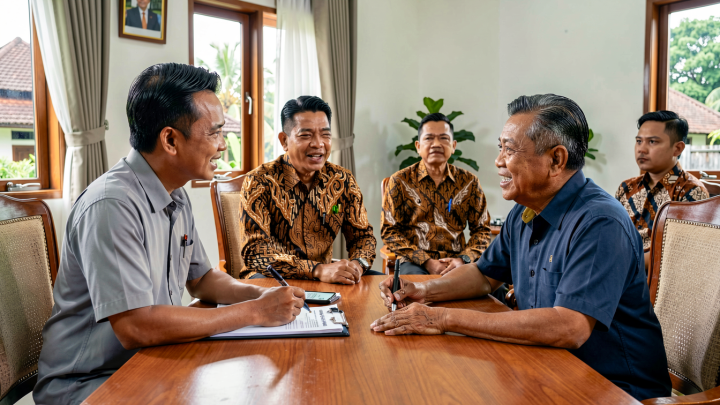
The call came during a courtesy meeting at Bangabhaban on Monday, September 14, when British High Commissioner to Bangladesh Sarah Cook met the President. The discussion covered areas with long-term importance for Bangladesh’s economic development, including access to higher education, workforce capacity, technology institutions and export opportunities.
Mirza Fakhrul described the United Kingdom as a dependable development partner for Bangladesh and pointed to the role played by Bangladeshi people living in Britain. Their connections, he said, have helped reinforce relations between the two nations while contributing to development on both sides.
“Tested and trusted development partner”
The President’s emphasis on education and human-resource development reflected the importance of preparing young Bangladeshis for an increasingly technology-driven global economy. He requested stronger British support for higher education opportunities, a greater number of Commonwealth scholarships, improved professional skills development and enhanced institutional capacity in Bangladesh’s education and technology sectors.
Focus on students and institutional capacity
Expanding academic opportunities can benefit students directly, but it can also have a wider effect when graduates bring expertise back into Bangladesh’s public, private and educational institutions. Commonwealth scholarships have long been viewed as an avenue for students from member countries to pursue advanced study, build professional networks and gain exposure to international research and training environments.
During the meeting, the President highlighted the need for continued support in developing human resources. This includes not only individual training but also efforts that help institutions improve their ability to teach, research and adapt to emerging technological needs.
Technology cooperation was another central point of the discussion. Bangladesh’s efforts to strengthen education and technical capacity can be supported by international partnerships that create opportunities for knowledge exchange, training and access to expertise. Such engagement may help institutions respond more effectively to changing demands in areas such as digital services, data use and applied technology.
Duty-free market access offers trade opportunity
Sarah Cook informed the President that 99.99 per cent of Bangladeshi goods, including ready-made garments, will retain duty-free access to the UK market for three more years after Bangladesh graduates from the least developed country, or LDC, category.
The President described that arrangement as a significant opening for further growth in trade between Bangladesh and the United Kingdom. Ready-made garments are specifically important in this context, as the sector is included among the products expected to continue receiving the facility.
The extended market access period offers businesses time to prepare for the transition following LDC graduation. It may also create scope for Bangladesh to strengthen commercial relationships, explore a broader range of products and encourage investment connected to export production. Trade preferences can be especially meaningful when businesses are planning production, sourcing and market strategies over several years.
For Bangladesh, maintaining favorable access during the transition can support continuity for exporters serving the British market. For the United Kingdom, continued access to Bangladeshi products keeps an established trade relationship active at a time when both countries are seeking deeper economic engagement.
Digital climate information initiative welcomed
The British High Commissioner also briefed the President on a planned initiative involving digital exchange of climate-related information between Bangladesh and the United Kingdom. Mirza Fakhrul welcomed the proposal and stressed the potential value of wider sharing of weather and climate data.
Accurate weather and climate information can assist forecasting and agricultural planning. The President said improved information exchange could strengthen forecasting accuracy and contribute to higher agricultural production. Timely and reliable data can be particularly useful for decisions involving cultivation, harvesting and preparations for changing weather conditions.
The discussion linked technology cooperation with a practical concern that affects communities and the wider economy. Digital systems for sharing information can help ensure that relevant climate and weather insights are available more quickly to institutions responsible for planning and response.
Royal message conveyed at Bangabhaban
During the courtesy call, Sarah Cook presented a congratulatory letter from King Charles III to President Mirza Fakhrul on his election. The President thanked the King for the message and conveyed his own best wishes through the British envoy.
The meeting brought together senior representatives from the President’s Office, the Foreign Ministry and relevant agencies. The British Deputy High Commissioner and the Development Director were also present.
The exchange underlined the broad scope of Bangladesh-UK engagement, extending beyond diplomacy into trade, education, technology, climate information and the development of skilled human resources. The President’s proposals placed particular attention on ensuring that these areas produce practical benefits for students, institutions, exporters and agricultural communities.
Related Reading
Frequently Asked Questions
What is President calls for stronger B desh?
President calls for stronger B desh is the main topic of this guide. The article explains the context, practical details, and next steps readers should understand.
Why does President calls for stronger B desh matter?
President calls for stronger B desh matters because readers are looking for a useful answer, not just a short summary. Good content should match search intent and help them decide what to do next.