Students are future leaders of nation: President Fakhrul
President Mirza Fakhrul Islam Alamgir has called on students to develop themselves into capable, responsible citizens who can lead Bangladesh in the years

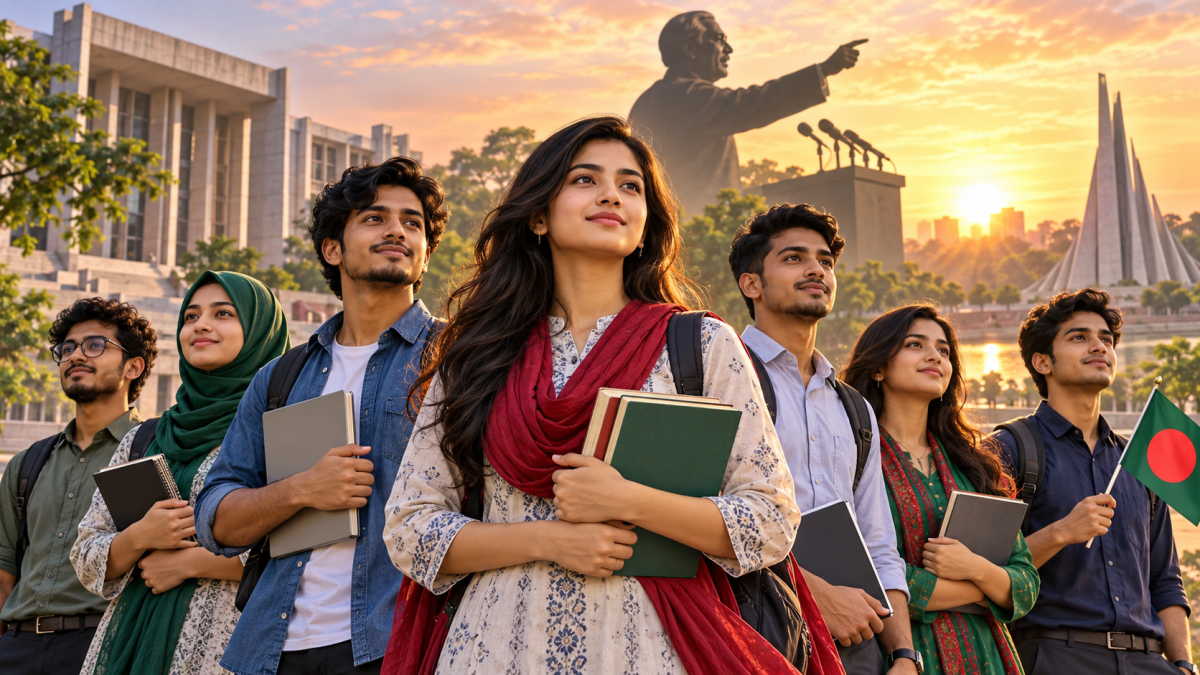
Table of Contents
President Urges Students to Prepare for Leadership Roles
Thebangladaily.com – President Mirza Fakhrul Islam Alamgir has called on students to develop themselves into capable, responsible citizens who can lead Bangladesh in the years ahead, describing young people as the carriers of the country’s hopes for a new future.
He made the appeal on Monday, October 26, during an interaction with students of Motijheel Ideal School and College at Bangabhaban. The visit was held under the newly introduced Educational Institution Students’ Bangabhaban Visit Policy 2026, which aims to help younger citizens become more familiar with national institutions, history and heritage.
The programme brought a selected group of high-performing students from Classes 7 to 9 to the presidential residence. They were accompanied by teachers and led by their principal, Professor Lal Mohammad. During the visit, the students explored historical installations at Bangabhaban before attending a session with the President in the Darbar Hall.
A lesson in citizenship and responsibility
Addressing the delegation, President Fakhrul placed particular emphasis on values that begin at home and continue through school life. He urged students to show respect for their parents, teachers and senior members of society, noting that families make important sacrifices to support a child’s education and future.
You must always honor your parents, teachers, and elders.
He said students should strive to become educated, conscientious members of society. In doing so, they would not only meet the expectations of the country but also fulfil the aspirations their parents hold for them.
By developing yourselves as well-educated and responsible citizens, you will fulfill your parents’ dreams while meeting the expectations of the nation.
The President’s message connected academic success with a wider sense of public duty. Education, in this view, is not limited to examination results or classroom achievement. It also involves learning discipline, respect, judgment and an awareness of the responsibilities that come with citizenship.
For students still at an early stage of their education, a visit to a major state institution can offer a practical way to understand how national symbols and public offices relate to the country’s civic life. The interaction gave the visitors an opportunity to meet the Head of State in an informal setting, exchange greetings and take part in a group photo session.
Bangabhaban as a national symbol
President Fakhrul said Bangabhaban should be understood as more than the physical residence of the President. He described it as a symbol of the state and a place connected to the country’s historical journey.
The visit policy is intended to make that connection more accessible to students. Under the initiative, groups from educational institutions around Bangladesh are expected to visit Bangabhaban in rotation. The planned tours are designed to encourage civic interest among young people and inspire them to think about leadership and national responsibility.
Such visits can help students see public institutions beyond textbooks. National history is often introduced in classrooms through dates, events and prominent figures, while places such as Bangabhaban can make the institutional side of the state more visible. The initiative creates an opportunity for students to connect their studies with the country’s public heritage in a direct and memorable setting.
The Motijheel Ideal School and College delegation was among the first groups to take part following the policy’s introduction. Their tour of the historical installations at the presidential palace formed a central part of the day’s activities before the formal interaction in the Darbar Hall.
Focus on science and technology
Alongside his remarks on values and leadership, the President encouraged students to build knowledge in modern science and technology. He said young people need to prepare for innovation in the digital era, where scientific understanding and technological skills are increasingly important.
His call reflects the need for students to combine strong academic foundations with the ability to adapt to changing forms of knowledge. For young learners, that can mean taking an active interest in scientific subjects, developing curiosity, learning how technology is used responsibly and remaining open to new ideas.
The President presented technological education as part of the preparation needed for the country’s future. Students who gain confidence in science and modern technology can be better placed to contribute fresh ideas and practical solutions as they move through higher education and into professional life.
At the same time, his address underlined that technical ability should be matched by character. The goal, he said, is not simply to produce skilled individuals, but citizens who understand their responsibilities to their families, teachers, communities and country.
Senior officials from the presidential establishment attended the event, including the Secretary to the President and the Press Secretary to the President. Their presence marked the official nature of the programme, while the student-focused format kept the interaction centred on learning and encouragement.
Building confidence among the next generation
The Bangabhaban visit offered the participating students a rare chance to enter a nationally significant place and engage with the country’s Head of State. For the students, the experience combined a lesson in history with a broader message about personal growth, respect and service.
President Fakhrul’s remarks placed the country’s future in the hands of its young people while reminding them that leadership is built gradually. It begins with education, respect for others, an understanding of national institutions and the willingness to use knowledge for the public good.
As more educational institutions take part in the rotational visit programme, the initiative is expected to give students from different parts of Bangladesh a similar opportunity to learn about Bangabhaban and reflect on their role in shaping the nation’s future.
Related Reading
Frequently Asked Questions
What is Students are future leaders of nation?
Students are future leaders of nation is the main topic of this guide. The article explains the context, practical details, and next steps readers should understand.
Why does Students are future leaders of nation matter?
Students are future leaders of nation matters because readers are looking for a useful answer, not just a short summary. Good content should match search intent and help them decide what to do next.