
No need for ‘forceful’ rate rises: ECB’s Lagarde
No Need for ‘Forceful’ Rate Rises: ECB’s Lagarde No need for forceful rate rises - ECB President Christine Lagarde has emphasized that there is no immediate

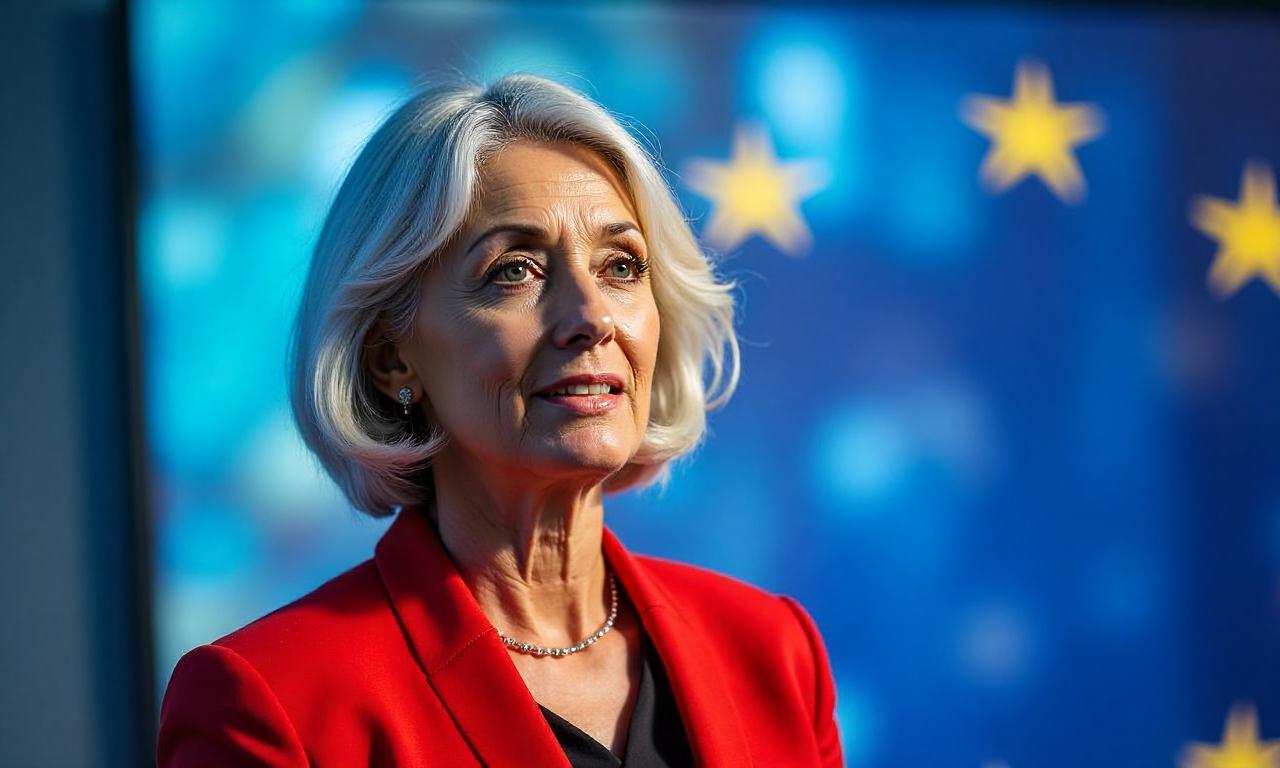
No Need for ‘Forceful’ Rate Rises: ECB’s Lagarde
Thebangladaily.com – ECB President Christine Lagarde has emphasized that there is no immediate necessity for forceful rate rises, citing a more tempered inflation outlook and recent diplomatic progress between the United States and Iran as key factors. In a recent address to European Parliament lawmakers, Lagarde underscored that the Eurozone’s inflationary pressures remain manageable, allowing the central bank to adopt a more measured approach to monetary policy. This sentiment comes amid ongoing debates within the ECB about whether to accelerate interest rate hikes or maintain a steady course. While the bank raised rates in May for the first time since 2023, Lagarde’s remarks suggest that the decision was strategic rather than reactive, balancing the need to control inflation with the potential risks to economic growth. The statement has sparked renewed discussion about the role of external events, such as the energy price surge following the Strait of Hormuz closure, in shaping the ECB’s decisions.
Global Tensions and Inflationary Dynamics
The recent easing of tensions between the U.S. and Iran has been a pivotal moment in the global economic landscape. After nearly a month of hostilities that raised fears of supply chain disruptions and energy price volatility, Tehran and Washington signed a memorandum of understanding, paving the way for sustained dialogue. This diplomatic breakthrough has not only stabilized oil markets but also provided a buffer against inflationary shocks. Lagarde highlighted the significance of such developments in her speech, noting that the stability in energy markets has helped reduce the pressure on inflation. She also pointed out that other factors, such as stronger-than-expected economic growth in the Eurozone, have contributed to a more balanced inflationary environment. These elements combined have led to a reassessment of the ECB’s rate-hiking strategy, with officials now more inclined to focus on gradual adjustments rather than aggressive measures.
“We see no evidence yet of de-anchoring of inflation expectations or second-round effects that would warrant a more forceful policy response at this stage,” she said.
Lagarde’s statement aligns with the ECB’s broader objective of maintaining price stability without stifling economic activity. The central bank has been closely monitoring inflation trends, particularly in energy and food sectors, which have historically been volatile. While the Eurozone’s inflation rate rose slightly in May to 3.2% from 3.0% in April, the overall trajectory remains stable. This gradual increase has been attributed to temporary factors rather than persistent structural inflation, giving the ECB room to refine its approach. The decision to avoid forceful rate rises reflects a nuanced assessment of the current economic climate, where central bankers are seeking to align monetary policy with broader economic goals.
ECB’s Monetary Policy Strategy
The ECB’s recent rate adjustment in May marked the first increase since 2023, signaling a shift in its monetary policy stance. This move was part of a broader effort to combat inflation, which had reached double-digit levels earlier in the year due to the pandemic recovery and supply chain disruptions. However, Lagarde’s assertion that no forceful rate rises are needed at this juncture highlights a cautious strategy. The central bank is now prioritizing a gradual tightening of monetary policy, which allows for greater flexibility in response to evolving economic conditions. This approach contrasts with the earlier urgency to raise rates aggressively, which was driven by the need to stabilize prices amid unprecedented inflationary pressures.
While the ECB has maintained its commitment to keeping inflation within the 2% target, officials are acknowledging the complexity of the current economic environment. Factors such as wage growth, consumer spending, and global trade dynamics are being closely evaluated to determine the optimal rate path. The decision to delay more forceful rate increases has been welcomed by some market analysts, who argue that it provides a much-needed reprieve for businesses and households. However, others caution that the ECB must remain vigilant, as inflationary risks could resurface if energy prices remain elevated or if global demand continues to outpace supply.
Market Reactions and Economic Outlook
Financial markets have reacted positively to Lagarde’s reassurance about the ECB’s rate policy, with European stock indices rising slightly in the days following her speech. Investors are interpreting the message as a signal of stability, which has helped ease concerns about a potential slowdown in the Eurozone. The ECB’s cautious approach has also been reflected in the European bond market, where yields have remained relatively low despite the rate increase in May. This suggests that markets are currently optimistic about the Eurozone’s ability to maintain economic momentum without the need for harsh monetary tightening.
However, the decision to avoid forceful rate rises has not been without its challenges. Some European economies, particularly those with high debt levels, have expressed concerns about the potential for inflation to rise again if monetary stimulus is not maintained. The ECB has acknowledged these risks but argues that the current inflation trends are primarily driven by temporary factors such as energy prices and supply chain bottlenecks. With the recent diplomatic progress between the U.S. and Iran, these temporary factors are expected to ease, reducing the need for further aggressive rate hikes. Lagarde’s emphasis on a data-driven approach has positioned the ECB as a leader in adaptive monetary policy, balancing the needs of price stability with economic growth.
Future Implications for the Eurozone
The ECB’s strategy of avoiding forceful rate rises has significant implications for the Eurozone’s economic future. By maintaining a gradual tightening approach, the central bank aims to support economic activity while gradually bringing inflation under control. This could help prevent a potential recession, which some economists have warned about in the event of abrupt rate hikes. Additionally, the ECB’s stance may encourage other central banks to adopt a similar cautious approach, particularly in the wake of global economic uncertainty. As the Eurozone continues to navigate the post-pandemic recovery, the ECB’s flexibility in rate policy will be crucial in maintaining confidence among consumers, businesses, and investors.
Looking ahead, the ECB will likely continue to monitor key economic indicators closely, with inflation expectations and energy prices remaining central to its decision-making. Lagarde’s emphasis on the need for a balanced strategy has positioned the ECB as a forward-thinking institution, capable of adapting to both internal and external economic shifts. While the immediate need for forceful rate rises appears to have diminished, the central bank is not ruling out further adjustments if inflationary pressures persist. The coming months will be critical in determining whether the ECB’s measured approach can successfully steer the Eurozone toward sustained economic growth without compromising its inflation control objectives.