
US, Iran at odds on nuclear inspections, frozen assets in deal to end war
US, Iran at odds on nuclear inspections, frozen assets in deal to end war US Iran at odds on nuclear - U.S.

US, Iran at odds on nuclear inspections, frozen assets in deal to end war
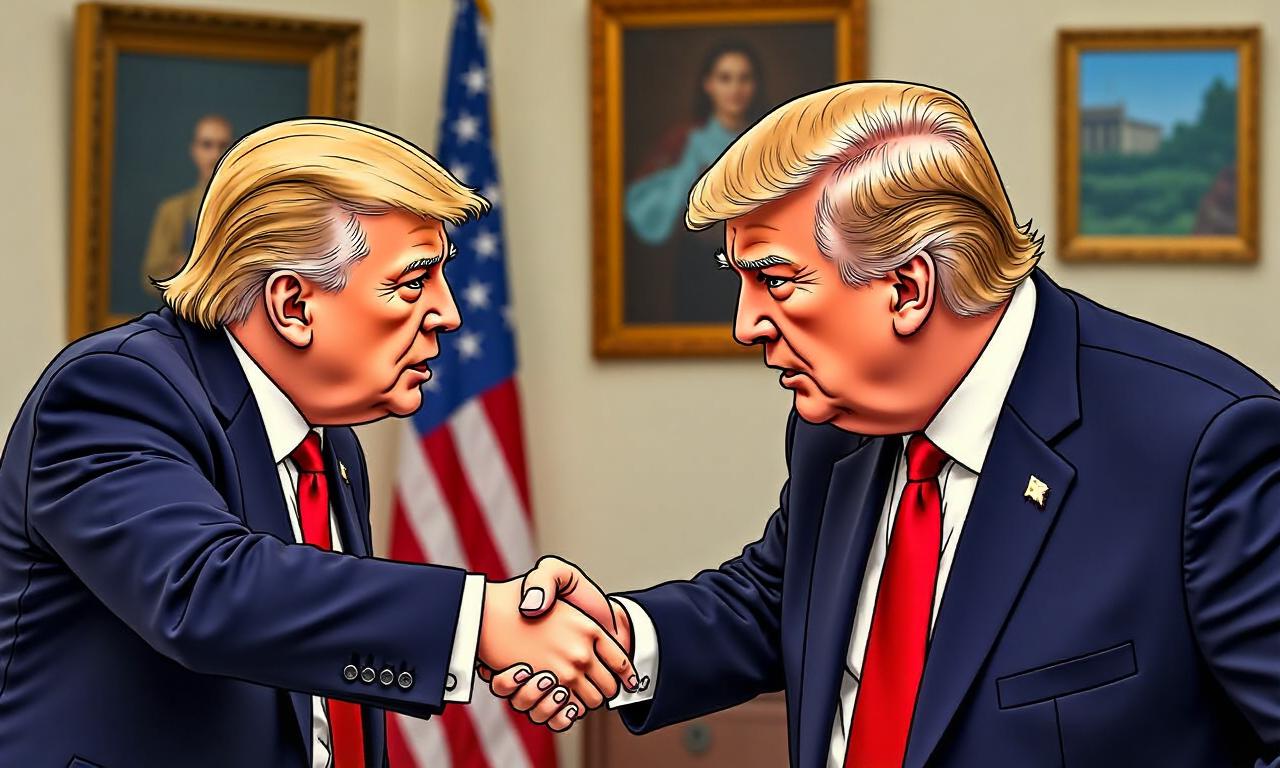
Thebangladaily.com – U.S. and Iran remain at odds over nuclear inspections and frozen assets as part of a proposed agreement aimed at ending the conflict. President Donald Trump announced that Iran had agreed to allow nuclear inspections indefinitely, a move he framed as a major breakthrough in diplomatic efforts. However, Iranian officials disputed this claim, insisting that no formal agreement on inspections was finalized during the recent talks. The disagreement underscores the complexity of the peace deal, which seeks to resolve long-standing tensions between the two nations while addressing key concerns over Iran’s nuclear program and economic sanctions.
Delegates from both sides met in Geneva last week under the auspices of the Joint Commission, a body tasked with overseeing the implementation of the agreement. The framework deal, reached after weeks of negotiations, includes provisions for lifting some sanctions and releasing frozen assets held by the U.S. in exchange for Iran’s cooperation on nuclear inspections. While Trump argued that the agreement would secure indefinite access for international inspectors, Iranian diplomats maintained that the terms of the deal were still under discussion and that the inspections would not be binding unless explicitly agreed upon in a final pact.
“Iran has fully and completely agreed to the highest level of nuclear inspections long into the future (Infinity!!!),” Trump tweeted, emphasizing his belief in the deal’s permanence. His comments contrast with Iranian officials, who reiterated their position that the agreement was not finalized and that the inspections would only last for a limited period.
Strategic Implications of the Deal
The proposed agreement has significant implications for global energy security and regional stability. By easing restrictions on the Strait of Hormuz, a critical shipping route for one-fifth of the world’s oil, the deal could stabilize oil prices and prevent further economic disruption. However, Iran has warned that it may impose tolls on maritime traffic after the 60-day window, which could lead to increased costs for international shippers. The United Nations’ shipping agency reported that 11,000 seafarers were stranded during the crisis, and the resolution of this issue has become a focal point of the negotiations.
Meanwhile, the debate over frozen assets has sparked discussions about the financial aspects of the agreement. Trump argued that the released funds would bolster U.S. economic interests by supporting imports from Iran, while Iran’s representative in Geneva, Ali Bahreini, stated that the country would determine how to use the freed assets. This divergence in priorities highlights the challenges of balancing economic incentives with security concerns. Analysts note that the success of the deal hinges on both sides’ willingness to compromise on these contentious points, particularly as the U.S. and Iran continue to trade accusations over nuclear proliferation.
Nuclear Dispute and Regional Tensions
The nuclear inspections dispute remains a central issue in the negotiations, with the U.S. pushing for indefinite access to Iran’s nuclear facilities. Iranian officials, however, claim that the agreement only commits to inspections for a specific duration, not an indefinite period. This disagreement could escalate if Iran fails to comply with the inspection terms, raising fears of a potential resumption of hostilities. The deal also includes provisions to address Iran’s nuclear enrichment activities, though the exact limits of these commitments are yet to be clarified in the final text.
Regional tensions further complicate the deal’s prospects. Israel’s military operations against Iran-backed groups in Lebanon have been a key point of contention, with the U.S. urging Iran to withdraw its support for these actions. While the agreement requires Iran to take steps toward de-escalation, the situation in Lebanon remains volatile. The inclusion of a $300 billion reconstruction fund in the deal is seen as a gesture of goodwill, but its effectiveness will depend on resolving the remaining disputes, including the nuclear inspections and frozen assets issue.
Despite the challenges, the deal represents a critical step toward de-escalating the conflict. The U.S. and Iran have agreed to a 60-day implementation period, during which they will address outstanding issues. This window provides an opportunity for both sides to reassess their positions and find common ground. The Senate’s recent vote to suspend hostilities under the War Powers Act signals growing bipartisan support for the initiative, though concerns remain about the deal’s long-term viability and its impact on U.S. strategic interests in the Middle East.