What the World Cup means for women in Bangladesh
r Women in Bangladesh What the World Cup means for women in Bangladesh is more than just a sports event—it is a cultural phenomenon that highlights both the

What the World Cup Means for Women in Bangladesh
Thebangladaily.com – What the World Cup means for women in Bangladesh is more than just a sports event—it is a cultural phenomenon that highlights both the joy and the struggle of their participation. Every four years, the streets of the country come alive with a shared enthusiasm for football, as flags of global teams flutter in windows and conversations shift to the latest scores and strategies. Tea stalls become impromptu arenas for spirited debates, and families gather around screens to follow the action across time zones. Social media buzzes with memes, predictions, and shared emotions, amplifying the collective excitement. Even though Bangladesh has not yet qualified for the FIFA World Cup, the anticipation and pride it generates are undeniable, reshaping the rhythm of daily life for millions.
From Passion to Responsibility: The Dual Role of Women Fans
While the World Cup is celebrated as a unifying global spectacle, women in Bangladesh often experience it through a different lens. For them, the tournament is not just a source of entertainment but a test of balancing personal interests with household responsibilities. Men may indulge in late-night marathons, shouting at the screen and celebrating with friends, but women are frequently expected to manage the behind-the-scenes work. This includes preparing snacks, organizing seating arrangements, and ensuring the environment is conducive to the festivities. As a result, their engagement with the World Cup is often punctuated by multitasking, a reflection of the broader societal expectations placed on them.
“I love football, especially the World Cup. I have my favorite teams and players, but during big games, everyone expects snacks, tea, or other things. Sometimes I miss key moments because I’m helping my mother at home,” said Raima, a university student, capturing a common struggle that underscores the disparity in how men and women experience the tournament.
This phenomenon is not unique to Bangladesh but is amplified by the cultural and social norms that prioritize women’s unpaid labor. Atia Sanjida Shushoma, a professor at the University of Dhaka’s Department of Women and Gender Studies, notes that the World Cup serves as a microcosm of these challenges. “Unpaid care work is a major problem, not just in Bangladesh but worldwide. It’s often invisible,” she explained. The tournament thus becomes a lens through which the intersection of passion and duty is examined, revealing how women’s leisure time is frequently intertwined with their roles as caregivers and homemakers.
Reclaiming Space: The World Cup as a Platform for Change
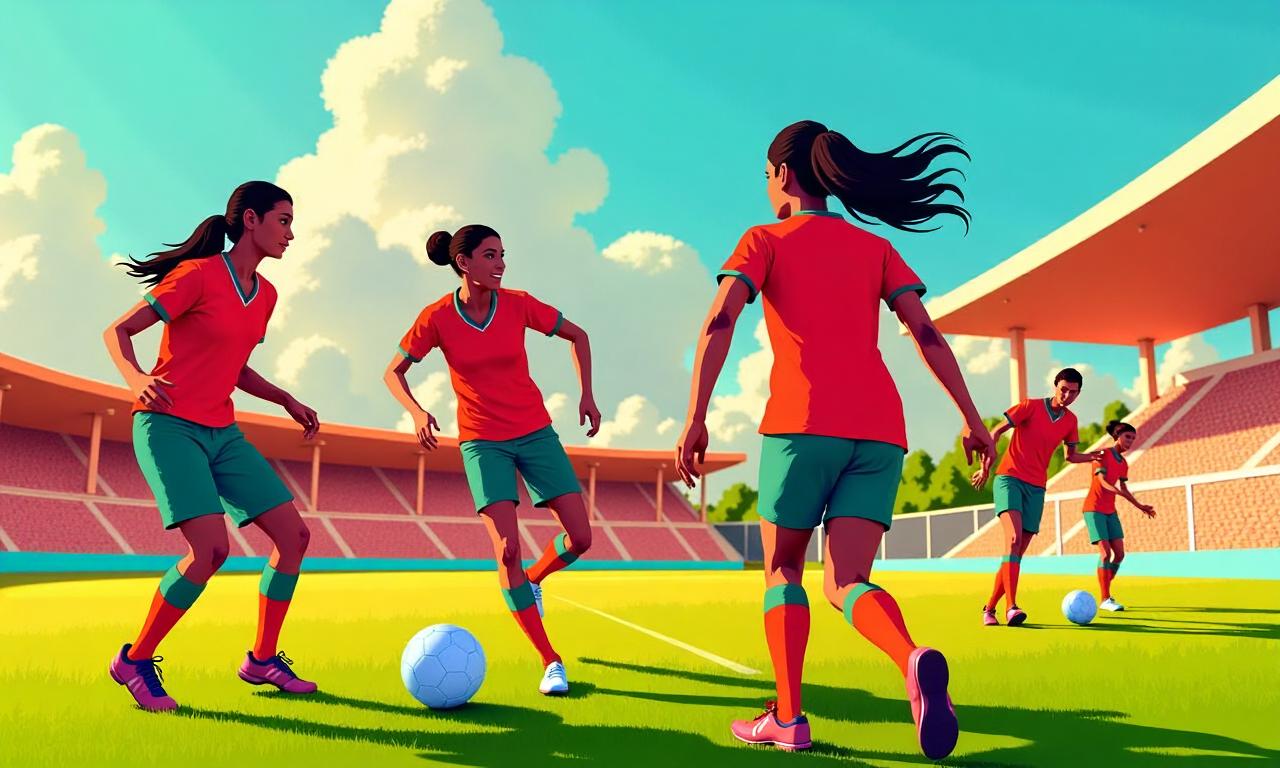
Despite the constraints, the World Cup also offers an opportunity for women to reclaim space in a male-dominated arena. For many, the event is a chance to engage with sports in a way that challenges traditional gender roles. Women may watch matches in secret, discuss them with friends, or even participate in informal competitions, creating a sense of camaraderie that transcends the expectations of their daily lives. This subtle but significant shift in engagement highlights the potential for the World Cup to inspire broader conversations about gender equality and the recognition of women’s contributions beyond the household.
However, the impact of the World Cup on women’s lives extends beyond the personal. It reflects the larger societal structures that dictate the division of labor and time. As matches are scheduled at midnight or 2 a.m., the late hours disrupt sleep patterns and force women to prioritize family needs over their own. This tension between individual enjoyment and collective obligation is a recurring theme in Bangladesh, where the World Cup’s global appeal often contrasts with the local realities faced by women. The event thus becomes a powerful reminder of how societal norms shape not just leisure activities but the very fabric of daily existence.
Moreover, the World Cup’s reach highlights the importance of media representation and accessibility for women. With social media platforms amplifying voices from around the world, Bangladeshi women can engage with international fans, share their perspectives, and even challenge stereotypes about their capabilities. This digital space allows for a more inclusive dialogue, where women’s experiences are not only acknowledged but also celebrated as integral to the country’s cultural identity. By highlighting these moments, the World Cup can play a role in fostering a more equitable understanding of gender roles in Bangladesh.