
26 Awami League leaders, activists arrested in Dhaka
26 Awami League Leaders and Activists Arrested in Dhaka 26 Awami League leaders activists arrested - The Dhaka Metropolitan Police (DMP) recently conducted a

26 Awami League Leaders and Activists Arrested in Dhaka
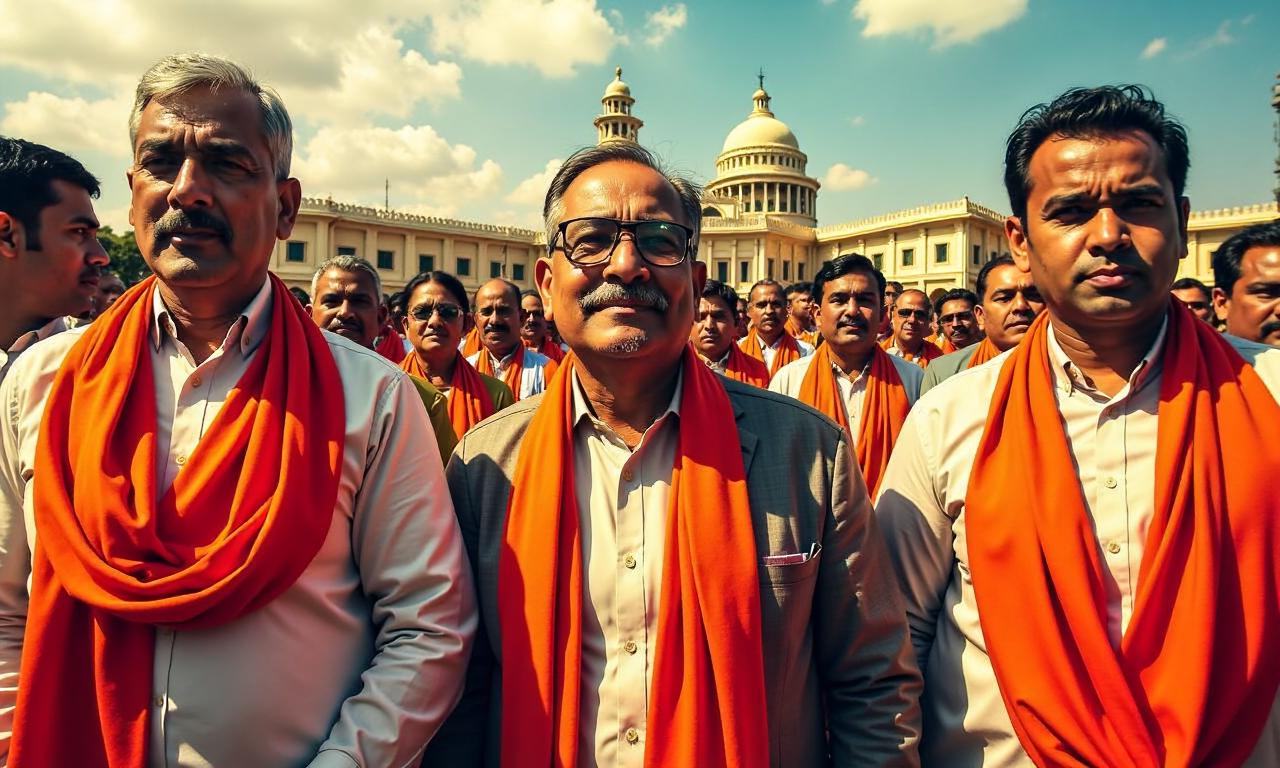
Thebangladaily.com – The Dhaka Metropolitan Police (DMP) recently conducted a series of coordinated raids in the capital, resulting in the arrest of 26 Awami League leaders and activists. These operations, which took place over the past few days, targeted key figures across various districts, including prominent party members and supporters from affiliated organizations. The arrests have sparked widespread discussions about the government’s efforts to maintain order and address security concerns in Dhaka. Authorities have cited ongoing investigations into alleged misconduct as the primary justification for the action, though the specific charges against each individual remain under review.
Arrest Details and Distribution
According to a statement released by Additional Deputy Commissioner (Media) Niaz Mehdi, the arrests were spread across multiple police station zones. A significant number of detainees were taken from Dhanmondi, with ten arrests recorded there, followed by eight in Mohammadpur. Smaller groups were apprehended in Ramna and Khilkhet, each accounting for two arrests. Single arrests were also made in Banshal, Kadamtali, Mirpur, and Turag areas. The police emphasized that these operations were conducted methodically, with teams working in tandem to ensure the swift capture of suspects. The selection of locations suggests a strategic focus on high-traffic political hubs and areas known for active grassroots mobilization.
Officials have highlighted that the raids were part of a broader initiative to tackle dissent and stabilize the city’s political environment. The DMP’s spokesperson stated that the arrests are intended to disrupt potential protests and prevent the spread of misinformation. The operations were carried out during late hours to minimize public resistance and ensure maximum compliance. While the exact timeline of the raids is still being clarified, the police have confirmed that the arrests were completed within a short span, indicating a well-planned execution. This approach has raised questions about the balance between security enforcement and the right to political expression.
Legal Proceedings and Charges
Legal actions against the detained individuals are currently in progress, the statement noted.
The 26 Awami League leaders and activists now face a range of charges, including conspiracy, public disorder, and violations of emergency regulations. Prosecutors are expected to present evidence within the next few weeks, with preliminary hearings scheduled to determine the validity of the charges. The arrests have been defended by authorities as necessary measures to preserve law and order, particularly in light of recent tensions surrounding political rallies and demonstrations. However, critics argue that the swift nature of the operations may have bypassed due process, raising concerns about the fairness of the legal proceedings.
Some of the detained individuals are believed to have been linked to recent protests demanding policy changes, while others were associated with the party’s regional wing. The DMP has not yet disclosed the names of the arrested figures, but sources suggest that the list includes both senior officials and grassroots organizers. The legal framework used for these arrests is based on the country’s existing security laws, which have been invoked to justify similar actions in the past. As the cases proceed, the focus keyword “26 Awami League leaders activists” will likely feature prominently in media coverage and legal documents, further cementing its relevance in the search engine optimization context.
Public and Political Reactions
The arrests have elicited mixed reactions from the public and political circles. Supporters of the Awami League have criticized the move as a targeted effort to silence opposition voices, while the government has framed it as a necessary step to ensure stability. Opposition leaders have called for transparency in the process, demanding that the charges against the detainees be clearly outlined. Meanwhile, the general public has expressed concern over the impact on freedom of speech and assembly, with some fearing that the operation could set a precedent for future political purges.
Analysts suggest that the 26 Awami League leaders activists detained may represent a broader strategy to consolidate power and control the narrative in Dhaka. The operation comes amid heightened political competition and a backdrop of increasing security challenges. While the immediate goal is to prevent disruptions to governance, the long-term implications could influence the party’s ability to mobilize support in upcoming elections. The DMP’s actions have also drawn attention to the role of local police in enforcing national security policies, with debates emerging about their independence and the potential for political bias in the process.